
Chamaecytisus versicolor
Chamaecytisus versicolor
Description
Growing requirements
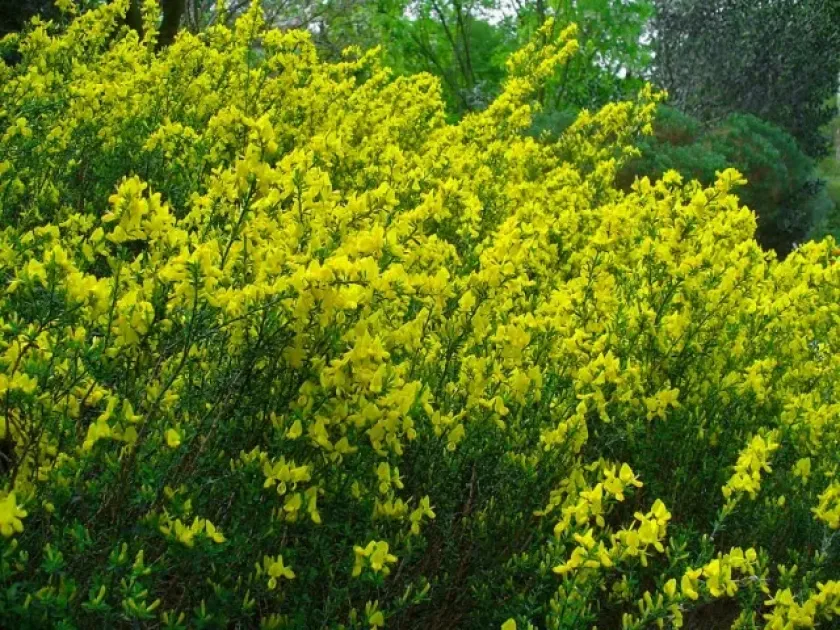
Chamaecytisus versicolor is a deciduous shrub belonging to the Fabaceae family, native to the steppe and forest-steppe regions of Eastern Europe, known for its resilience and beautiful bloom.
The plant thrives in well-drained, sandy, or rocky soils, demonstrating high tolerance to low soil fertility and nutrient-poor environments, which makes it an excellent choice for xeriscaping.
Optimal growth requires a sunny location, as full sun exposure is essential for maintaining the plant's shape and ensuring a profuse production of flowers during the spring season.
Agronomic management involves minimal watering once the plant is established, as its deep root system makes it highly drought-tolerant, surviving even in challenging climatic conditions.
Due to its association with nitrogen-fixing bacteria, this species improves soil nitrogen content, contributing to the overall ecological balance of the planting site.
Main diseases and pests
The primary pathological threat to the plant is powdery mildew, a fungal disease that spreads rapidly under conditions of high humidity or poor air circulation within the shrub's canopy.
Common insect pests include aphids and various leaf-feeding larvae, which can cause significant damage to tender young shoots during the initial stages of the growing season.
Integrated pest management strategies involve selecting disease-resistant cultivars and ensuring sufficient spacing between plants to prevent the localized buildup of humidity.
Fungicidal sprays may be required during exceptionally wet seasons to protect the foliage and maintain the aesthetic appearance and physiological health of the plant.
Cultural practices such as late-season pruning and cleaning up fallen debris around the base are recommended to reduce overwintering sites for fungal spores and pests.