
Chamaecytisus prolifer
Chamaecytisus prolifer
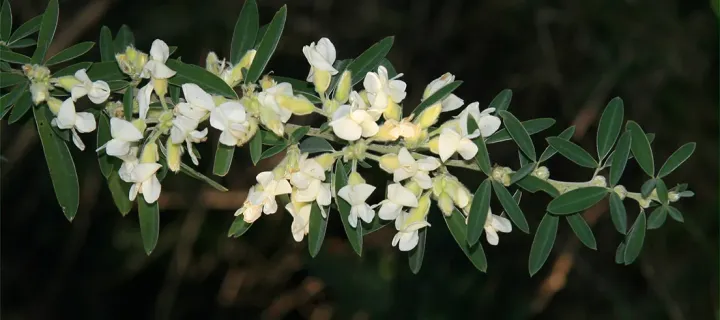
Description
Sowing dates
Chamaecytisus prolifer, commonly known as tagasaste, is a evergreen legume shrub belonging to the Fabaceae family. It is a highly valued plant for its ability to thrive in arid conditions while providing substantial biomass.
The seeds possess a hard coat and require mechanical or hot water scarification to ensure successful germination. It is usually best to raise seedlings in a nursery environment before transplanting them to the field.
Planting density depends on the management style; for fodder production, spacing should be optimized to allow for mechanical harvesting or browsing. Typically, a distance of 1.5 to 2 meters is recommended to sustain vigorous growth.
During the first year, seedlings require protection from weeds to establish their root systems effectively. Once established, the plant becomes highly competitive and requires minimal intervention.
This shrub is known for its deep root system, which helps it access subsoil moisture, making it a reliable source of green feed when traditional pastures fail due to lack of rain.
Growing requirements
The species prefers well-drained, porous soils. It is particularly sensitive to waterlogging, which can cause root decay; therefore, selecting sites with proper slope or soil structure is crucial.
Tagasaste thrives in Mediterranean-type climates with mild winters and hot, dry summers. While it is drought-resistant, its productivity increases significantly with occasional moisture.
Full sun exposure is required for optimal photosynthesis and nutrient accumulation. The plant can adapt to various soil types, including sandy and rocky soils, and tolerates low-fertility conditions well.
The plant demonstrates a strong preference for neutral to slightly acidic soil pH. Nitrogen fixation through root nodules allows the plant to improve the fertility of the surrounding soil.
Protection from severe, prolonged frosts is essential, as young shoots are susceptible to damage. However, mature plants show remarkable resilience against common environmental stresses.
Yield
Chamaecytisus prolifer yields a high-quality fodder rich in crude protein, often reaching 20-25% in leaf matter. It is a palatable, non-toxic feed source for cattle, sheep, and goats.
Annual biomass production can reach several tons of dry matter per hectare depending on rainfall and the frequency of trimming. It remains green throughout the year, providing a vital source of protein during summer droughts.
Strategic pruning stimulates the production of tender, highly digestible shoots. Proper management ensures that the plant remains in a productive state, preventing it from becoming too woody.
The plant's ability to regrow rapidly after harvest makes it a sustainable long-term forage source. Livestock show increased weight gains when grazing on tagasaste compared to dry grasses.
Yield stability is one of the plant's greatest advantages in harsh environments. By maintaining a constant supply of green biomass, it bridges the nutritional gap during difficult seasons.
Main diseases and pests
Young plants are particularly vulnerable to insect attacks, such as beetles or caterpillars, which can stunt their growth. Regular monitoring in the first two years is recommended.
While mature plants are rarely troubled by major diseases, root pathogens can appear if the soil remains excessively wet. Ensuring good drainage is the best prophylactic measure.
Over-grazing can weaken the bushes if they are not allowed enough time to recover. Implementing a rotational grazing system prevents depletion of the plant's energy reserves.
Weed infestation is a threat only in the establishment phase. Once the canopy of Chamaecytisus prolifer closes, it effectively shades out most competing vegetation.
In specific humid environments, fungal leaf spots might occur. This is generally minor and can be managed by ensuring adequate airflow and pruning away heavily affected branches.
Harvesting
Harvesting is usually done by mechanical hedging or by rotational grazing. It is important to harvest at a height that encourages side-branching, usually 50-60 cm above the ground.
Timing the harvest to coincide with the period of peak growth maximizes the nutritional content. Harvesting too late results in a higher proportion of indigestible stems.
The cut biomass can be fed immediately or dried to create a high-protein hay. Its excellent storage characteristics make it a versatile feed source for on-farm use.
Periodic rejuvenation pruning is essential every few years to remove old wood. This practice keeps the shrub productive and maintains the quality of the fodder produced.
Effective management of the harvest cycle leads to a perennial and highly productive system that provides high-quality nutrients with minimal input requirements.