
Rochell's Broom
Chamaecytisus rochelii
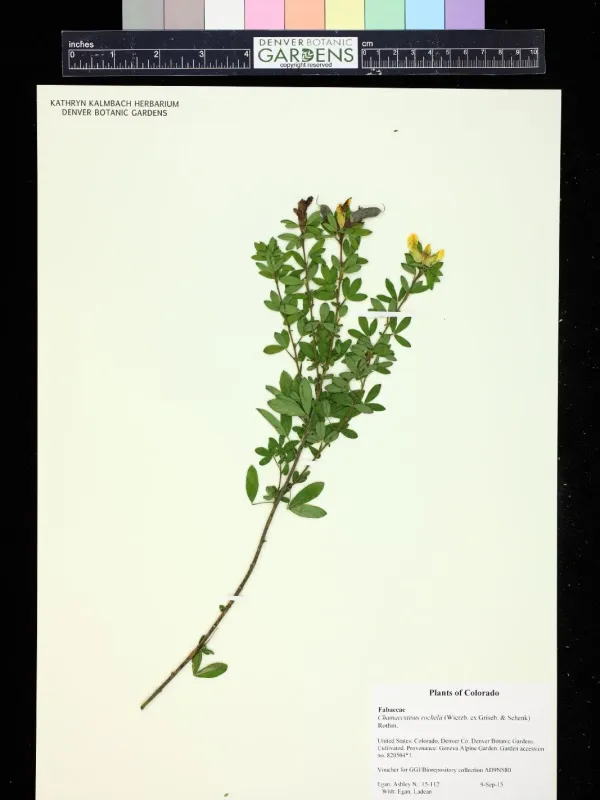
Description
Growing requirements
Rochell's Broom (Chamaecytisus rochelii) is a perennial deciduous shrub belonging to the Fabaceae (Legume) family. Native to Southeastern Europe, this plant is characterized by its adaptability to open habitats and is highly valued for its resilient nature.
The plant thrives in full sun exposure. It is essential to choose a planting site that receives direct sunlight throughout the day to ensure dense foliage growth and promote vigorous flowering during the spring and summer seasons.
In terms of soil requirements, this species is well-suited to light, sandy, or rocky soils that provide excellent drainage. It is highly intolerant of waterlogged conditions, which can lead to root rot and other physiological stressors, making site selection with adequate permeability a priority.
Rochell's Broom is known for its soil-stabilizing properties, making it an excellent candidate for planting on slopes, embankments, or in areas prone to soil erosion. Its deep and spreading root system allows it to thrive in nutrient-poor environments where other garden plants might struggle.
Aside from its aesthetic value in garden design, Rochell's Broom serves an important ecological role as a nectar-rich plant. It attracts a variety of pollinators, contributing to the overall biodiversity of the surrounding garden landscape.
Main diseases and pests
While generally hardy, Rochell's Broom may be susceptible to certain pests and diseases, particularly when cultivated in environments with poor air circulation or excessive moisture. Maintaining an open structure through pruning is vital for plant health.
Powdery mildew is a common fungal issue that can affect the foliage during periods of high humidity and fluctuating temperatures. Applying appropriate sulfur-based fungicides and ensuring adequate spacing between plants can help mitigate this risk.
Pests such as aphids and leaf-eating caterpillars can occasionally infest the plant, causing physical damage to the leaves and young stems. Periodic inspections and the use of targeted insecticidal soap or biological control agents are effective methods for management.
Leaf spot diseases may also occur under damp conditions. Improving drainage around the base of the plant and removing any fallen, infected leaves are essential cultural practices to prevent the spread of fungal spores in the garden.
A healthy, well-nourished plant in a favorable location is usually capable of resisting minor infestations. Proactive care and monitoring are the best strategies for ensuring the longevity and ornamental display of Rochell's Broom.