
White broom
Chamaecytisus albus
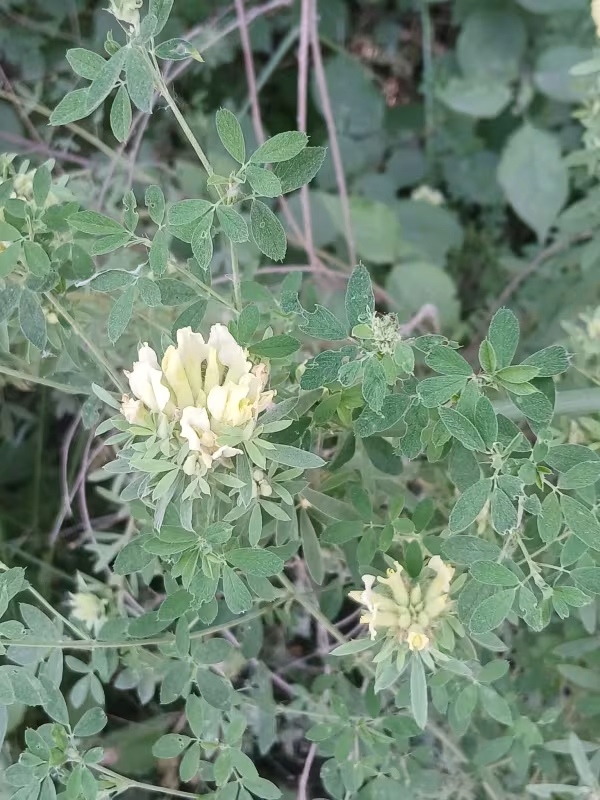
Description
Growing requirements
White broom (Chamaecytisus albus) is a perennial shrub belonging to the Fabaceae (legume) family. It typically forms a low, spreading bush with numerous slender stems that produce white flowers during the blooming season.
Native to Central and Southeastern Europe, this species is well-adapted to rocky habitats and steppe landscapes. It thrives in regions with warm, dry summers and can withstand significant temperature fluctuations.
The plant requires full sun exposure and performs best in well-draining, sandy, or stony soils. It is highly intolerant of waterlogged sites, as excessive moisture often leads to root collar rot and eventual plant failure.
As a legume, it has the unique ability to fix nitrogen in the soil through symbiotic root bacteria, making it an excellent candidate for improving poor soil quality and preventing erosion on slopes.
Maintenance is minimal once the plant is established. It requires little to no fertilization and performs best when left in natural conditions, provided there is enough drainage and light to support its physiological needs.
Main diseases and pests
The main pathological threats include powdery mildew and fungal leaf spots, which generally occur when plants are placed in areas with poor air circulation or high humidity levels.
Insect pests such as broom moths and aphids can infest the plants, causing defoliation or stunted growth of new shoots during the spring and summer active growth cycles.
Root rot caused by Phytophthora or other soil-borne pathogens remains a significant risk if the soil composition is too heavy or if the site allows water to accumulate near the base.
Effective management strategies include planting on elevated terrain or slopes to ensure gravity-assisted drainage and performing regular pruning of old wood to rejuvenate the shrub.
For chemical or biological control, integrated pest management practices should be followed to protect beneficial insects while effectively targeting the primary herbivorous pests.