
Tagasaste
Chamaecytisus proliferus
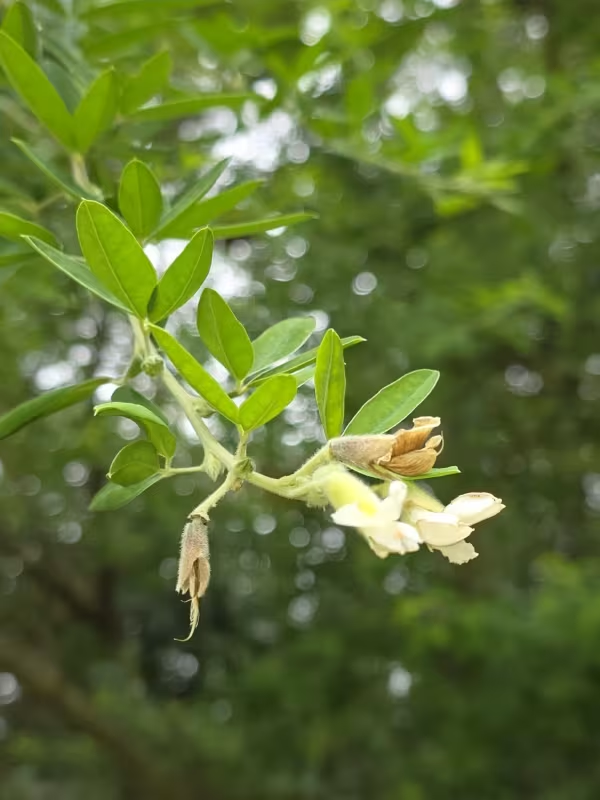
Description
Sowing dates
The seeds of tagasaste have a hard seed coat, necessitating scarification or hot water treatment to ensure successful germination. Sowing should take place in early spring once soil temperatures reach 10-15 degrees Celsius for optimal seedling development.
Seeds are sown in rows at a depth of 2-3 centimeters into loose, well-prepared soil. It is essential to maintain row spacing between 1.5 and 3 meters, allowing sufficient room for the crown of the shrub to mature without excessive competition.
During the first year, growth is focused on root system establishment, making the plant slow to develop above ground. Weed management is critical in this phase, as competition from invasive plants can easily suppress the young tagasaste.
Mulching around the base is a highly recommended practice to retain moisture and inhibit weeds. In arid regions, consistent watering until the seedlings are fully established is necessary for survival.
For commercial plantations, a plant density of 2,000 to 5,000 plants per hectare is standard. This configuration balances maximum biomass production with the accessibility required for mechanized maintenance and harvesting.
Growing requirements
Tagasaste is a member of the Fabaceae family, making it an excellent nitrogen-fixing crop that improves soil fertility. It originates from the Canary Islands and is well-adapted to Mediterranean-type climates with distinct wet and dry cycles.
The crop thrives in well-drained, sandy, or stony soils and is highly sensitive to waterlogged conditions, which can cause root rot. A neutral to slightly acidic pH is ideal for promoting healthy development.
As a sun-loving plant, tagasaste requires full exposure to sunlight for maximum foliage production. Insufficient light results in sparse foliage and a significant drop in the nutritional value of the biomass.
One of its most valuable traits is its exceptional drought tolerance, allowing it to remain productive during periods when other forage crops wither. This makes it an ideal choice for sustainable agriculture in water-limited areas.
While mature plants are resistant to light frost, extreme cold can damage the top growth. Growers should select sites with adequate air drainage and consider cold-hardy varieties if local temperatures drop significantly.
Yield
The primary use of tagasaste is as a high-protein fodder source for livestock. Its foliage is highly palatable and nutritionally dense, providing an essential source of protein, minerals, and vitamins for cattle, sheep, and goats.
Plantation yields depend on the frequency of harvest and management techniques. Under optimal conditions, growers can expect dry matter yields of 10-15 tonnes per hectare annually when following a systematic pruning regime.
A key biological advantage of this crop is its rapid regrowth following mechanical harvesting or browsing. This allows for multiple grazing or cutting cycles within a single growing season.
Management through rotational grazing is highly effective, as it stimulates bush vigor and prevents the plants from becoming too tall to manage. Leaving enough leaf area after harvesting is crucial for recovery.
The nutritional quality of tagasaste remains stable even during the dry season, providing a reliable feed source when conventional pastures fail. This characteristic makes it a strategic asset for livestock management in drought-prone areas.
Main diseases and pests
The most significant threat to tagasaste plantations is root rot, particularly in poorly drained or heavy clay soils. Ensuring proper soil aeration and drainage is the most effective preventative measure.
Insects that target shoots and buds can reduce biomass production if left unchecked. Regular monitoring of the foliage and shoots allows for the early detection and management of pest infestations.
Weed competition remains a threat during the establishment phase, but once the canopy closes, the shrub is generally successful at outcompeting surrounding flora. Controlling weeds in the first year is vital for long-term health.
Leaf-eating pests and caterpillars can impact the foliage quality, necessitating biological control measures if infestation levels become economically significant. Integrated Pest Management is recommended to maintain environmental balance.
Improper pruning techniques can expose the plant to fungal infections through open wounds. Always ensure that pruning tools are sharpened and disinfected, and avoid heavy pruning during periods of high humidity.