
Cephaleuros japonicus
Cephaleuros japonicus
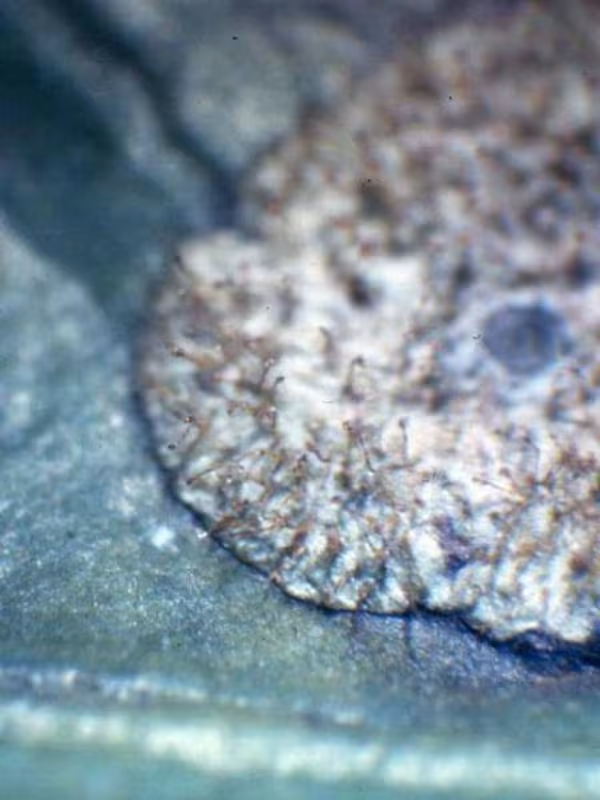
Description
Growing requirements
Cephaleuros japonicus is a species of parasitic green algae belonging to the family Trentepohliaceae. Unlike typical agricultural crops, this organism is a well-known pathogen that infests the leaves, stems, and fruits of numerous woody plants and agricultural species.
The development of this alga is strictly dependent on climatic factors. It thrives in high-humidity environments where moisture lingers on the leaf surfaces, allowing zoospores to germinate and successfully penetrate the host plant's cuticle layer.
Botanically, the alga establishes a vegetative thallus beneath the epidermis, which eventually erupts to release reproductive structures. This process causes localized chlorosis and the characteristic symptoms known as algal leaf spot, often appearing as velvety, reddish, or greenish patches.
Regarding agricultural management, maintaining plant vigor and proper orchard sanitation is paramount. Effective canopy management, including selective pruning, is required to enhance airflow and light penetration, effectively reducing the humidity around the foliage.
Since the organism does not rely on soil fertility but rather on the host's tissues, agricultural practices focus on host immunity. Proper irrigation techniques, such as avoiding overhead watering, are essential to keep the leaf surface dry and unfavorable for algal growth.
Main diseases and pests
The primary threat posed by Cephaleuros japonicus is the reduction of the host's photosynthetic efficiency. By colonizing the leaf tissue and causing necrotic spots, the parasite hinders the plant's ability to produce energy, ultimately impacting overall yield and fruit quality.
Economic damage is most significant in sensitive crops like tea, citrus, and various ornamentals. Chronic infections lead to reduced plant growth, premature leaf abscission, and significant weakening of the canopy structure over several growing seasons.
Chemical control usually involves the application of copper-based fungicides. These treatments act as protective barriers, preventing the germination of incoming spores. Timing applications before the onset of rainy seasons is critical for successful mitigation.
Sanitation is a cornerstone of management. Removing and destroying heavily infested branches or fallen leaves is necessary to reduce the inoculum load. Infected material should never be left in the field where it could serve as a reservoir for further infection.
Strict biosecurity measures, such as disinfecting pruning tools between plants, help prevent the mechanical transmission of the pathogen within the orchard. Consistent monitoring allows for early detection, which makes localized control much more effective.