
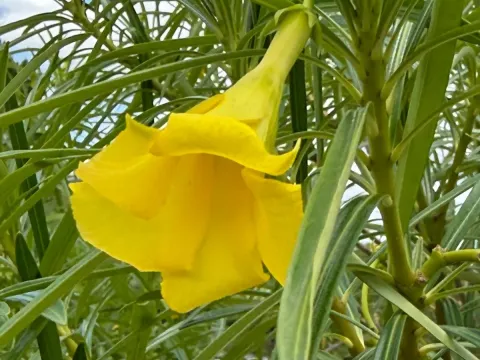
Cascabela
Cascabela
Cascabela is a genus of shrubs and trees belonging to the Apocynaceae family, native to tropical regions of the Americas. Known for its distinct foliage and trumpet-shaped flowers, this plant is a staple in tropical and subtropical landscapes.
What the section contains


Cascabela
Climate requirements for Cascabela are strict: it thrives in warm, frost-free environments. It is a highly thermophilic plant that requires full sun exposure to maintain its vigorous growth and abundant flowering cycles throughout the season.
The ideal soil profile for this crop is well-draining, nutrient-rich soil. It is adaptable to various soil types, but heavy, waterlogged clays should be avoided to prevent root diseases. Proper drainage is the single most important factor for plant longevity.
Regarding agrotechnical practices, Cascabela is highly valued for its drought tolerance once established. Regular watering is only necessary during extreme dry spells or for young plants to ensure proper root development before they become self-sustaining.
Its primary use is in ornamental horticulture. It is frequently planted in parks, along avenues, and in home gardens. However, it is essential to emphasize that the plant contains cardiac glycosides and is highly toxic if ingested, requiring caution in landscapes.
Root rot is the most significant threat to Cascabela, often triggered by overwatering or soil compaction. Preventing water saturation in the root zone is the primary defense strategy for maintaining plant health.
Pests such as scale insects, mealybugs, and spider mites commonly infest the foliage, particularly in humid or stagnant air conditions. These pests can severely weaken the plant if left untreated, leading to stunted development.
Management of these threats involves careful monitoring and the application of appropriate horticultural oils or systemic insecticides when necessary. Always perform applications during cooler parts of the day to avoid leaf scorch.
Fungal diseases like leaf spot may appear under prolonged wet conditions. Increasing airflow through periodic pruning of the inner canopy can significantly reduce the incidence of these pathogens and improve overall plant vigor.
Effective management also requires careful sanitation. Removing fallen leaves and fruit debris helps prevent the accumulation of pathogens and minimizes the risk of accidental exposure to the toxic components of the plant.