
White-stemmed safflower
Carthamus leucocaulos Sm.
Description
Sowing dates
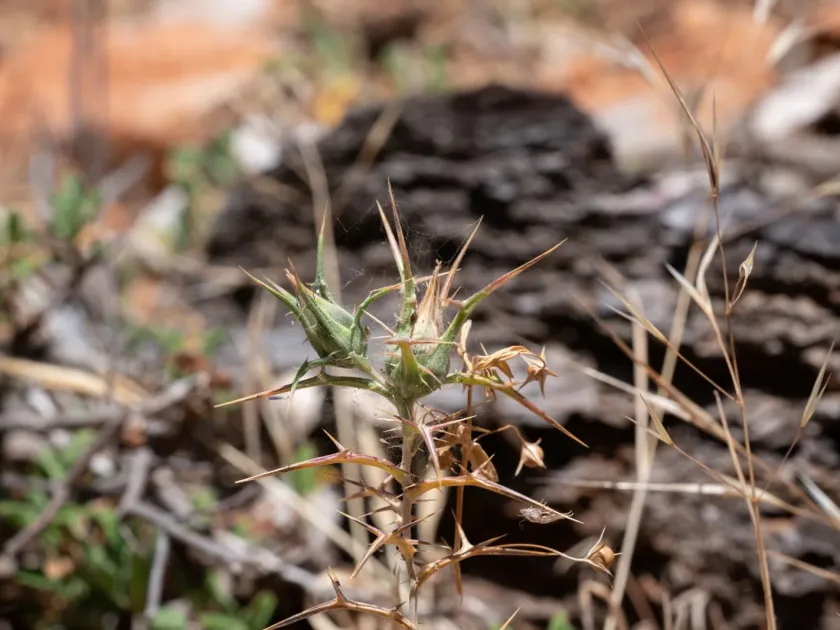
White-stemmed safflower (Carthamus leucocaulos) is an annual plant of the Asteraceae family, well-adapted to arid and semi-arid Mediterranean climates.
Sowing typically takes place in early spring, as soon as soil temperatures allow, ensuring the seeds take advantage of existing moisture.
The recommended row spacing ranges from 30 to 50 cm, allowing for adequate plant development and facilitating mechanical weed control between rows.
Seed depth should be calibrated to 4–6 cm to protect the seeds from surface desiccation while ensuring vigorous emergence in various soil types.
Proper field preparation and seedbed firming post-sowing are critical to ensure uniform germination across the cultivated area.
Growing requirements
The species is exceptionally drought-tolerant, making it an ideal candidate for low-rainfall regions where other oilseeds may struggle to survive.
It thrives in well-drained, fertile soil, though it possesses a remarkable capacity to adapt to slightly saline conditions without significant yield loss.
Sunlight exposure is a limiting factor; the plant requires full sun to achieve optimal maturity and high oil content in the seeds.
The plant performs best in regions with dry, hot conditions during the ripening phase, which prevents fungal rot in the seed heads.
Nutrient management focuses on phosphorus and potassium, which are essential for developing strong stems and high-quality grain yield.
Main diseases and pests
Key diseases affecting the crop include Fusarium wilt and various rust fungi, which are often exacerbated by poor field drainage.
Pest pressure is frequently dominated by the safflower fly and various wireworms, which can devastate early-stage crop stands.
Weed management is vital in the early vegetative stages, as the plant grows slowly and can be easily outcompeted by aggressive weeds.
Adhering to a strict crop rotation schedule helps mitigate soil-borne pathogens and breaks the cycle of specialized insect pests.
Regular monitoring of field edges and early intervention with biological or chemical controls are standard practices for sustainable production.
Harvesting
Harvesting is performed using combine harvesters when the plant reach full maturity and the seeds contain approximately 10% moisture.
Timing is critical: harvesting too late can result in significant seed shattering, while early harvesting leads to quality loss from excess moisture.
Machine settings, particularly drum speed, must be adjusted carefully to prevent damaging the sensitive coat of the safflower seeds.
Post-harvest cleaning is essential to remove chaff and field debris, which can otherwise trigger spoilage if stored improperly.
Storage should be conducted in cool, dry conditions to preserve the high-quality oil content and ensure long-term shelf life for industrial use.