
Korean hornbeam
Carpinus turczaninovii Hance
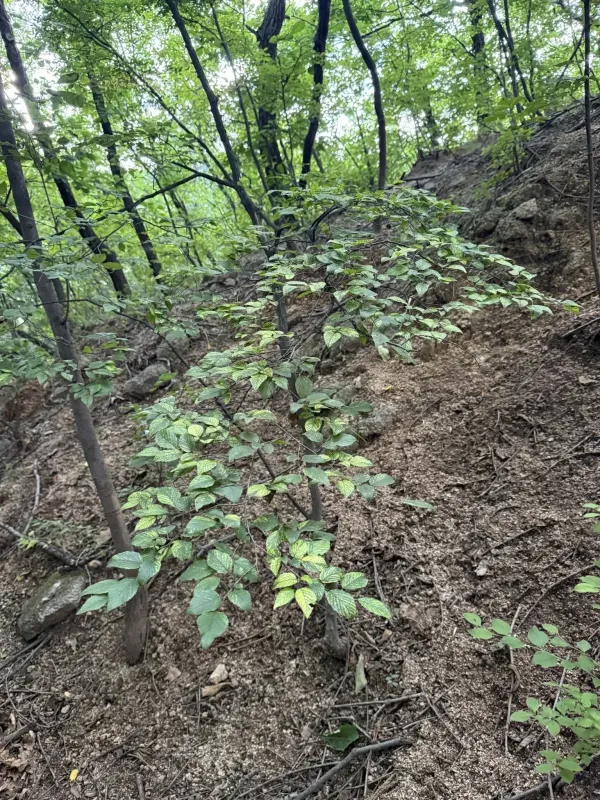
Description
Growing requirements
Korean hornbeam (Carpinus turczaninovii) is an elegant deciduous tree belonging to the Betulaceae family. It is highly valued for its fine texture, small leaves, and graceful branching habit.
Native to Eastern Asia, this species thrives in temperate climates with moderate rainfall. It is typically found on mountain slopes, which dictates its preference for well-drained, nutrient-rich soils.
In terms of cultivation requirements, the tree performs best in semi-shaded to sunny positions, though it demonstrates remarkable tolerance to various light conditions as it matures.
Soil management should focus on maintaining adequate moisture levels. Young specimens require consistent watering, while mature trees can withstand short periods of moderate dryness.
The cultural practice involves regular pruning, as Carpinus turczaninovii responds exceptionally well to shearing, making it an excellent choice for formal hedging or bonsai cultivation.
Main diseases and pests
While relatively robust, the Korean hornbeam can be susceptible to common forest pests, especially when environmental conditions are suboptimal for the plant's growth.
Fungal diseases, including powdery mildew and various leaf spot pathogens, are frequently observed when trees are planted in areas with poor airflow and excessive leaf wetness.
Insects like aphids and caterpillars can feed on foliage; however, most mature trees can tolerate minor infestations without long-term health consequences.
Root rot caused by poor soil drainage remains the most significant threat to the overall vitality of the tree, requiring immediate soil amelioration if observed.
Integrated pest management strategies, such as biological control and timely application of specialized pesticides, are recommended to maintain plant health in intensive garden environments.