
Oriental hornbeam
Carpinus orientalis Mill.
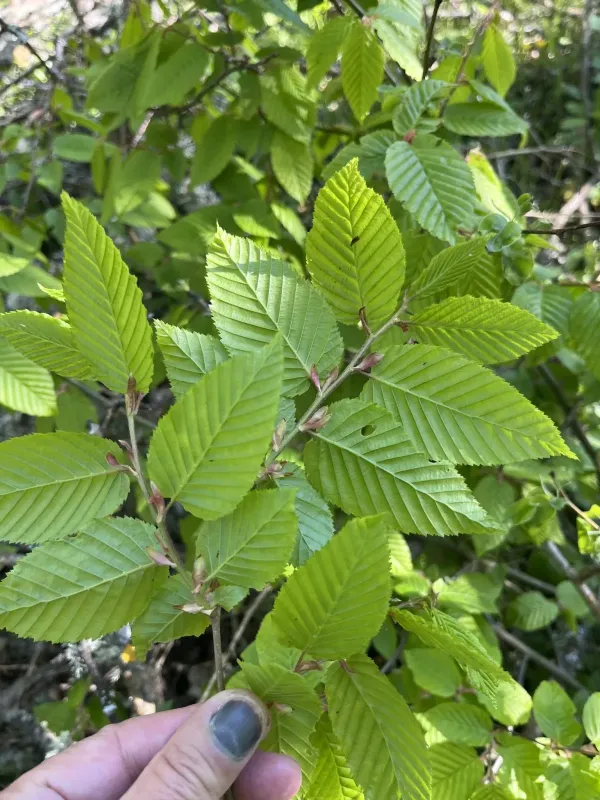
Description
Sowing dates
The sowing of Oriental hornbeam seeds is best performed in the autumn, allowing the seeds to undergo natural stratification during the winter months for optimal germination rates.
If spring sowing is preferred, the seeds must be subjected to cold stratification at temperatures between 0 and 5 degrees Celsius for at least 90 to 120 days before planting.
Seeds should be sown in well-drained, light soil mixtures at a depth of 2 to 3 centimeters, ensuring the medium remains consistently moist during the germination period.
Seedlings develop slowly in their first year, so they should be shielded from intense, direct sunlight and monitored for any competition from weeds or rapid-growing grasses.
Transplanting the saplings to their permanent location is recommended after two or three years of nursery development, preferably during the dormant season.
Growing requirements
The Oriental hornbeam (Carpinus orientalis) is a deciduous tree belonging to the Birch family (Betulaceae), naturally found in southeastern Europe and southwestern Asia.
It is remarkably drought-tolerant, capable of thriving on rocky, calcareous slopes where other deciduous species would struggle to survive due to poor nutrient availability.
The species prefers full sun or light shade and is well-adapted to Mediterranean climates characterized by long, dry summers and cool, wet winters.
Soil quality is generally less critical for this species than for other hornbeams, provided the drainage is excellent, as the roots are highly sensitive to stagnant water.
It is an ideal choice for reclamation projects, slope stabilization, and as a hedge material due to its dense branching structure and slow, manageable growth rate.
Main diseases and pests
Defoliating insects and various larvae often target the foliage of the Oriental hornbeam, which can impair tree vigor if the infestation is particularly widespread.
Powdery mildew is a common fungal disease that can occur in nursery environments or dense plantings, particularly during periods of high humidity and poor air circulation.
Root rot, specifically caused by Phytophthora species, poses a significant threat if the tree is planted in heavy clay soils that retain moisture for prolonged periods.
Stem borers can penetrate the bark of stressed or weakened specimens, necessitating regular inspections to detect entrance holes and prevent long-term structural damage.
Pruning out infected or dead branches is a standard prophylactic measure that improves airflow and reduces the risk of fungal proliferation within the tree canopy.