
American hornbeam
Carpinus caroliniana Walter
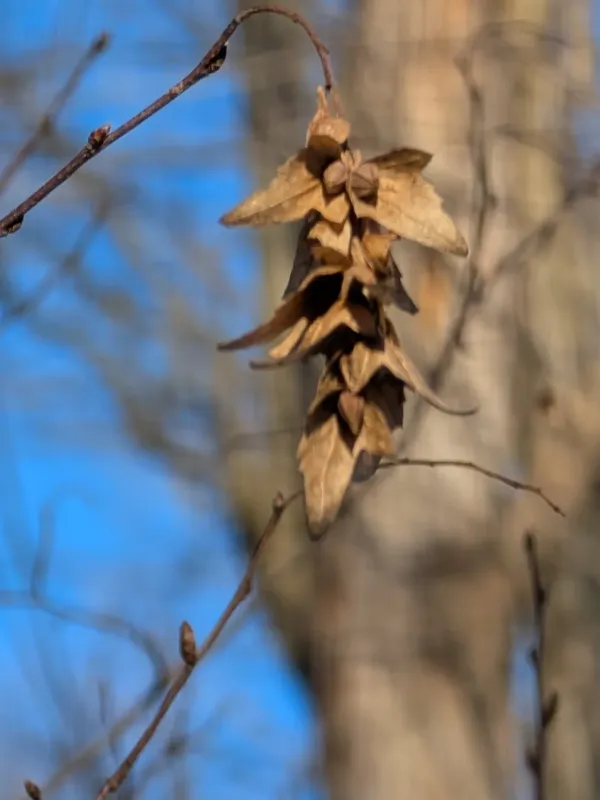
Description
Growing requirements
The American hornbeam (Carpinus caroliniana) is a slow-growing member of the Betulaceae family. It is widely recognized for its muscle-like, fluted trunk and dense, attractive foliage, often found in deciduous forests of North America.
This species requires deep, moist, and fertile soils that are rich in organic matter. While it can tolerate a variety of soil types, it performs best in well-drained loams with a slightly acidic to neutral pH level.
Botanically, it is known for its high shade tolerance, allowing it to thrive in the understory of dense forests. In managed landscapes, it prefers cool, protected sites where the soil does not dry out rapidly during the summer heat.
The cultivation of this species requires careful site selection. Although it can withstand some flooding, it does not perform well in consistently waterlogged conditions, which can lead to root system decay and poor tree vigor.
Maintenance practices should focus on maintaining consistent soil moisture through mulching and supplemental irrigation. Pruning is generally minimal, mainly focused on removing dead wood or shaping the tree for aesthetic purposes in garden settings.
Main diseases and pests
American hornbeam is relatively resistant to serious pest problems; however, it can be affected by leaf spots caused by various fungi, particularly during seasons with excessive rainfall or humidity.
Insects like the Japanese beetle or various types of aphids may feed on the foliage. While these rarely kill a healthy mature tree, they can cause significant aesthetic damage in ornamental plantings.
Cankers and wood rots can be a threat if the tree is wounded or stressed by drought. Keeping the tree vigorous and healthy through proper watering is the best defense against these pathogens.
The species is susceptible to damage from road salt and soil compaction, which often occur in urban environments. Avoiding these stress factors is essential for the long-term health of the plant.
Regular monitoring of the tree canopy for signs of thinning or discoloration helps in early diagnosis of potential issues, allowing for prompt intervention with appropriate horticultural practices.