
Caralluma tuberculata
Caralluma tuberculata
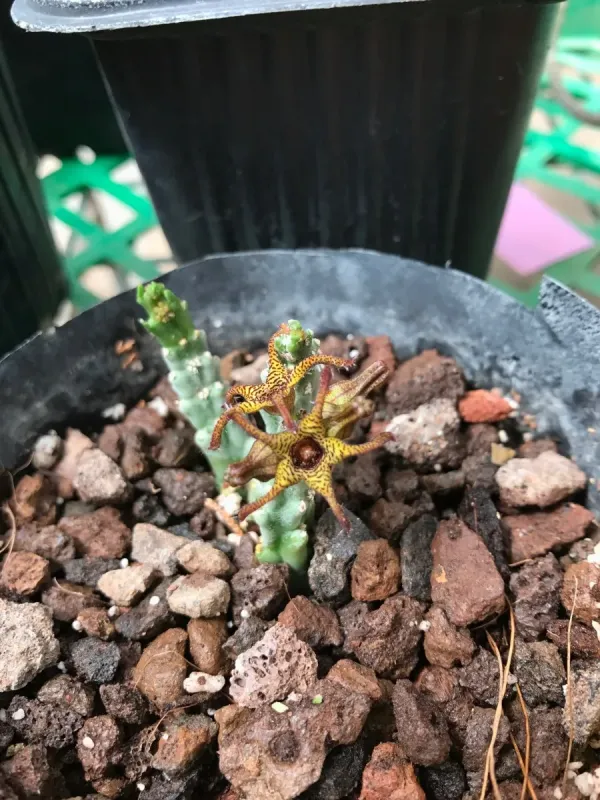
Description
Growing requirements
Caralluma tuberculata is a perennial succulent plant belonging to the Apocynaceae family. It is distinguished by its fleshy, tuberculate stems that form dense clumps, adaptation to extremely arid environments, and specialized metabolic processes.
The native range of this species extends across parts of the Arabian Peninsula, Pakistan, and India. It thrives in desert habitats where high temperatures and low humidity are the norm, which must be replicated in any controlled cultivation setup.
For cultivation purposes, soil must be highly inorganic, consisting primarily of coarse sand, perlite, and fine pumice. Adequate drainage is the single most important factor, as the roots are highly susceptible to oxygen deprivation in damp conditions.
Light intensity requirements are significant; the plant needs direct sunlight for the majority of the day to maintain its compact growth habit and natural coloration. Partial shade may lead to etiolation, which weakens the plant's overall health.
Watering should be carried out only when the substrate has completely dried out. In winter, the plant enters a period of dormancy, during which water application must be drastically reduced or suspended entirely to prevent tissue rupture.
Main diseases and pests
Fungal rots are the most prevalent threats to the health of Caralluma tuberculata. These are typically triggered by high moisture levels combined with poor air circulation, necessitating a dry and ventilated environment.
Common pests include mealybugs, which tend to congregate in the crevices between the tubercles. Their presence can severely weaken the plant and facilitate the entry of pathogens into the vascular system through feeding wounds.
Spider mites can also be problematic, especially in low-humidity conditions. These pests can cause significant surface damage, leading to scarring and an unsightly appearance that lowers the quality of the ornamental or raw botanical material.
Integrated pest management involves regular cleaning of the plants and the use of insecticidal soaps, provided they are applied with caution. Avoiding excessive nitrogen fertilization is also key, as lush, succulent growth is more attractive to pests.
Early detection is vital for the survival of the culture. Monitoring the base of the stems and the roots during transplanting helps in identifying early symptoms of root rot before the entire specimen is compromised.