
Caralluma retrospiciens
Caralluma retrospiciens
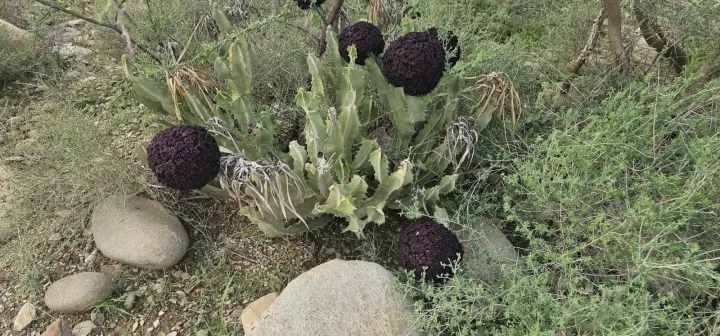
Description
Growing requirements
Caralluma retrospiciens is a perennial succulent plant classified within the Apocynaceae family. It is characterized by its succulent, leafless, and robust stems which have adapted specifically to survive in arid environments of East Africa.
The plant is native to the Horn of Africa, where it thrives in rocky or sandy terrain. These habitats are defined by very low annual rainfall and extreme daily temperature fluctuations, which the plant manages through its specialized metabolic pathways.
In terms of agricultural requirements, the species demands highly permeable, mineral-rich soil with excellent drainage properties. Waterlogging is the primary cause of plant failure, making soil structure a critical factor in successful cultivation.
Climate needs include prolonged exposure to direct sunlight and high heat. The plant is drought-tolerant and requires a dry season to complete its metabolic cycles properly, avoiding excessive irrigation that could trigger root rot.
The economic value of this species is primarily centered on its use as a resilient forage resource. In nomadic pastoralist societies, it serves as a critical food supplement for livestock, providing both hydration and biomass when green vegetation is absent.
Main diseases and pests
The primary threats to Caralluma retrospiciens are pathogenic fungi, particularly those causing stem rot, which proliferate under conditions of high humidity or poor ventilation.
Pest infestation is commonly associated with mealybugs, which exploit the succulent nature of the stems to extract sap, leading to stunted growth and secondary bacterial infections.
Spider mites are another major concern in arid cultivation, as they thrive in hot and dry microclimates, significantly reducing the vigor of the stems.
Proactive management of these threats involves monitoring the soil moisture levels and ensuring that the plant is not kept in high-humidity indoor conditions for extended periods.
Application of systemic pesticides may be necessary during severe outbreaks, although maintaining optimal light exposure often acts as a natural deterrent for several pests.