
Caralluma europaea
Caralluma europaea
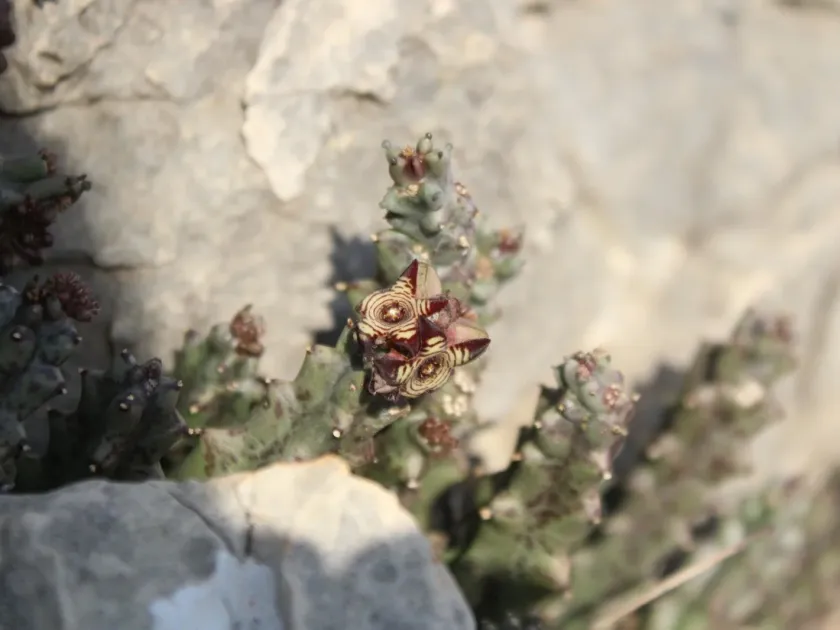
Description
Growing requirements
Caralluma europaea is a unique succulent species belonging to the Apocynaceae family. It is characterized by its distinct, leafless, fleshy stems that serve as water-storage organs in arid environments.
Native to the Mediterranean region and North Africa, this plant has evolved to thrive in rocky soils and regions with intense heat and prolonged drought. Its physiological mechanisms allow it to endure harsh climatic conditions where other crops would fail.
For successful cultivation, the crop requires full sun exposure and a well-draining, mineral-rich substrate. The soil should mimic the plant's native habitat, favoring sandy or gravelly textures over rich, organic matter.
The plant demonstrates low moisture requirements; therefore, irrigation should be carefully controlled to prevent water stagnation in the root zone. During the winter dormancy period, the plant must be kept almost completely dry to avoid tissue damage.
In modern usage, Caralluma europaea is primarily recognized for its ethnobotanical value and as a specialty crop in ornamental horticulture. Its resilience makes it an interesting subject for research in dryland agricultural systems.
Main diseases and pests
Root rot and stem rot are the most common pathological threats to Caralluma europaea, usually stemming from overwatering and poor drainage management in the growing medium.
Mealybugs are the primary insect pests, often congregating in the crevices between the fleshy ribs of the stems where they are difficult to reach with standard treatments.
Spider mites can also be a significant issue in greenhouses where the environment is consistently warm and lacks sufficient air circulation, leading to severe damage to the plant's surface.
To maintain plant health, it is essential to implement strict moisture control and ensure regular monitoring for signs of infestation or fungal activity.
Integrated pest management strategies should focus on preventive measures, such as proper spacing and the use of specialized systemic insecticides during the peak growing season.