
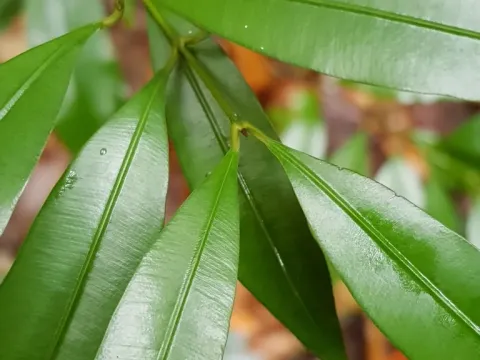
Calophyllum
Calophyllum
Calophyllum is typically propagated through seeds. The collection of planting material should occur only after the fruits have reached full maturity, often characterized by a brown skin color.
What the section contains


Calophyllum
Because the seed coat is naturally thick, scarification is a recommended agro-technical practice to ensure efficient germination. Soaking seeds in water for 24 hours prior to sowing is also common.
Seeds should be sown in nursery beds with well-drained, nutrient-rich soil. A planting depth of 2–3 cm is ideal to protect the seed while allowing the shoot to emerge without obstruction.
Transplanting seedlings to their permanent field location should occur when the plants are between 30 and 50 cm tall. The start of the rainy season is the best window for establishment.
Planting density on commercial plantations varies, typically ranging from 250 to 400 trees per hectare, depending on the management system, which may include intercropping with other species.
Calophyllum belongs to the family Clusiaceae and is naturally suited to humid tropical climates. It is a tree that requires consistent warmth, with an optimal temperature range of 22–30°C.
The crop thrives in deep, well-drained soils, including coastal sandy loams. It is known for its high tolerance to saline environments, making it an excellent choice for coastal reforestation.
Light requirements are significant; Calophyllum is a light-demanding species. Adequate sunlight is essential for maintaining a dense canopy and ensuring high fruit yields during the reproductive phase.
While the tree is relatively hardy, it does not tolerate frost. In regions with significant dry seasons, some form of irrigation is necessary during the early stages of growth to ensure survival.
The tree requires protection from waterlogging. While it tolerates a variety of soil types, sites with good aeration and drainage will consistently yield healthier and more productive trees.
The primary commercial product is the seed, which contains tamanu oil. The tree begins fruiting at approximately 6 to 8 years of age, with productivity continuing for several decades.
Average yield figures range from 20 to 50 kg of fruit per tree annually for mature stands. The oil content within the kernels is the main driver of the crop's market value.
The timber of Calophyllum is highly durable and resistant to insect attacks, making it valuable for traditional boat building and high-quality furniture production.
Tamanu oil production involves cold pressing the kernels. This oil is increasingly in demand in the cosmetic and pharmaceutical industries due to its therapeutic and regenerative properties.
Strategic harvesting and efficient post-harvest processing are key to maximizing oil yield. Modern farms often use harvest nets to streamline the collection of fallen fruits and maintain purity.
Fungal leaf spots and anthracnose are among the most common threats to Calophyllum, especially in environments with stagnant air and high ambient humidity levels.
Various insect pests, including aphids and defoliating caterpillars, can affect young trees. Early detection and the use of natural enemies for control are often more effective than chemicals.
Root rot, often associated with Phytophthora species, poses a significant threat if the soil is poorly drained. Site selection remains the most effective preventive measure against this.
The presence of leaf-eating beetles may necessitate integrated pest management practices. Keeping the plantation clear of debris and ensuring good airflow are critical for long-term health.
Regular monitoring of the trees for signs of stress or pest infestation is essential. Preventive pruning of diseased branches helps maintain the vigor of the plantation and prevents spread.
Harvesting is primarily manual or assisted by mechanical means, focusing on collecting fruits once they fall naturally to the ground, which indicates maturity.
The fruits must be depulped promptly after collection. Mechanical depulpers are used on larger farms to remove the fleshy exterior and expose the hard-shelled nuts efficiently.
Sun drying of the nuts is a crucial step to reduce moisture content to approximately 8-10%, which is necessary to prevent fungal spoilage during storage and transit.
Properly dried seeds should be stored in ventilated, dry areas protected from moisture and rodents. This stability is critical to ensure high oil quality for cold pressing.
Logistical planning for transport is important. Exposure to excessive heat during transport can degrade the oil quality, so timely movement to processing facilities is advised.