
African mammee apple
Mammea africana
Description
Growing requirements
The African mammee apple (Mammea africana) is a majestic evergreen tree belonging to the Clusiaceae family. Native to the tropical forests of West and Central Africa, it is known for its dense canopy and leathery, dark green leaves.
For optimal growth, this tree requires a hot and humid climate. It flourishes in areas with high annual rainfall and consistent warm temperatures, typically found in low-lying tropical regions that lack prolonged dry seasons.
Soil requirements for Mammea africana involve well-drained, fertile loams that are rich in organic matter. While the tree can adapt to various soil types, it performs best in deep, moist, and slightly acidic tropical soils.
Propagation is typically achieved through seeds, which must be planted shortly after harvest to ensure high viability. Seedlings require a period of careful nursing in shaded conditions before being transitioned to their permanent agricultural location.
Young trees benefit from regular mulching and moisture management to mimic the forest floor environment. Providing protection from heavy wind during the first years of growth is crucial for establishing a straight and healthy trunk.
Yield
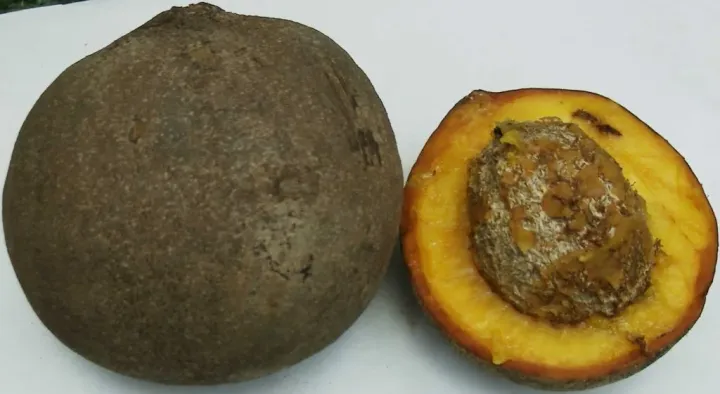
The fruit of the African mammee apple is a large, edible berry containing a flavorful, aromatic pulp. It is a valuable local food source, often used for making fresh juices, preserves, and traditional culinary preparations in its native range.
Beyond its fruit, the tree is highly regarded for its timber. The wood is exceptionally strong, durable, and resistant to termites, making it an excellent material for construction, flooring, and heavy-duty furniture production.
Various parts of the tree, including the bark and seeds, contain bioactive compounds utilized in traditional medicine. This versatility allows farmers to derive economic value from multiple parts of the plant, supporting sustainable livelihood strategies.
Under favorable management, the tree can produce significant yields once it reaches maturity. Systematic pruning and crown management can help keep the height manageable and facilitate more efficient fruit harvesting.
Incorporating this species into agroforestry systems provides shade for shade-loving companion crops while improving soil structure through the continuous deposition of leaf litter.
Main diseases and pests
The tree faces challenges from various fungal pathogens, particularly in regions with stagnant air or poor drainage. Root rot and leaf spots are common issues if the humidity levels around the base of the plant remain excessively high.
Insects that target developing fruits can cause yield loss if not managed effectively. Farmers often utilize integrated pest management strategies to protect the harvest without disrupting the local ecosystem balance.
While mature trees are quite resilient, young plantations are vulnerable to nutrient deficiencies. Balancing the soil chemistry is essential to prevent stunted growth and chlorosis in the canopy leaves.
Competition from aggressive invasive weeds can significantly slow the growth rate of young saplings, necessitating regular manual or mechanical weeding during the establishment phase.
Proper sanitation, including the removal of dead or diseased branches, is vital to prevent the spread of infections throughout the plantation and ensure the long-term health of the trees.