
Calophyllum brasiliense
Calophyllum brasiliense Cambess.
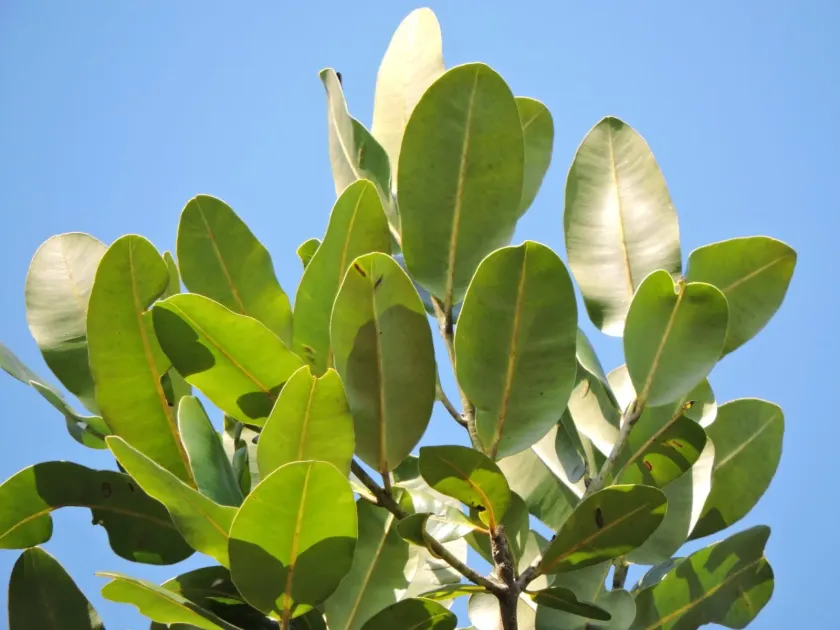
Description
Growing requirements
Calophyllum brasiliense, commonly known as Brazilian beauty leaf or Santa Maria, belongs to the Clusiaceae family. This evergreen species can reach significant dimensions, often becoming a dominant tree in its native tropical ecosystem.
Originating from Central and South America, this tree is highly adapted to humid lowland forests. It grows well in environments with high annual precipitation and consistently warm temperatures, making it a staple of tropical silviculture.
The tree thrives in deep, fertile soils with good moisture retention capacity. It displays remarkable tolerance to waterlogged conditions, which allows it to colonize riverbanks and seasonally flooded forest areas effectively.
In terms of management, seedlings require proper spacing and protection from direct sunlight during their initial establishment phase. As the tree matures, its demand for light increases, supporting rapid vertical growth.
Economically, the species is cultivated for its high-quality timber, which is dense and resistant to decay. Furthermore, extracts from its leaves and bark are being studied for potential applications in the pharmaceutical and cosmetic industries.
Main diseases and pests
Pathogenic fungi pose a major risk to Calophyllum brasiliense, especially in dense plantations where humidity levels remain high. Root rot is a common issue when soil drainage is insufficient.
Insect pests, such as wood-boring beetles, can significantly compromise the integrity of the wood. These infestations require strict management strategies, including the removal of infested timber to curb spread.
Foliar diseases, such as leaf spot, can weaken the tree's physiological state, particularly in young saplings. Ensuring proper air circulation within the plantation helps to mitigate these occurrences.
Integrated Pest Management (IPM) practices are recommended to maintain plantation health. This includes the use of biological controls and the selection of disease-resistant varieties when available.
Environmental stress, including drought or nutrient deficiency, can make the trees more susceptible to secondary infections. Maintaining soil fertility and appropriate water management is crucial for long-term health.