
Bunchosia nitida
Bunchosia nitida
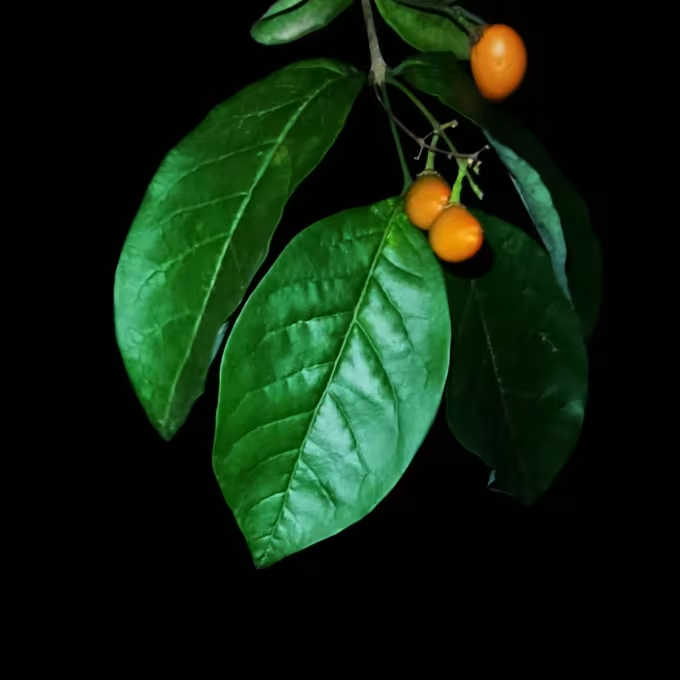
Description
Sowing dates
Bunchosia nitida, a member of the Malpighiaceae family, is a tropical evergreen tree native to Central and South America. It is widely recognized for its edible fruit and is a staple in various tropical home orchards and small-scale farms.
Propagation is primarily achieved through seeds. Because the seeds are recalcitrant, they must be planted immediately after extraction from the fruit to ensure high germination rates. They are sown in a well-draining, sterile potting mix kept consistently moist.
Germination typically takes three to five weeks under stable temperatures between 25°C and 30°C. Once the seedlings develop several true leaves, they are transferred to individual pots, ensuring that the root system is handled with care during the transplantation process.
Vegetative propagation via cuttings is also possible. Semi-hardwood cuttings taken during the active growth period show the best results. Using rooting hormones and maintaining a high-humidity environment with bottom heat significantly improves success rates.
Young plants require gradual hardening off before being moved to permanent sunny locations. Maintaining consistent growth conditions during the early stages of life is essential for developing a strong structure and healthy root system for the tree.
Growing requirements
As a tropical species, Bunchosia nitida requires a warm climate. It is extremely sensitive to frost and cold winds, making it suitable only for zones with no freezing temperatures. Ideally, it thrives in environments that provide consistent warmth throughout the year.
Full sun is necessary for optimal growth and fruit production. While the tree can tolerate partial shade, insufficient light often results in spindly branches, fewer flowers, and reduced yield. Direct light exposure is key to maintaining a dense canopy.
The soil should be fertile, organic-rich, and possess excellent drainage. The tree is intolerant to waterlogged soils, which frequently leads to root rot. Implementing a raised bed or adding sufficient organic matter and grit to the soil profile is recommended.
Regular watering is necessary, especially during the dry season. However, the soil surface should be allowed to dry slightly between watering cycles to prevent stagnant moisture. Drip irrigation systems are highly effective for managing moisture levels on farms.
Annual fertilization with a balanced NPK fertilizer, supplemented with micronutrients, helps sustain tree vigor. Ensuring the availability of phosphorus and potassium is particularly important during the flowering and fruit-setting stages for better harvest quality.
Yield
The tree is primarily cultivated for its fruit, which has a distinct, nutty flavor and a texture often compared to smooth peanut butter. These fruits are high in energy and nutrients, making them a valued local food source.
Yield production typically begins within three to four years of planting. Under optimal conditions, the tree can produce fruit multiple times a year, allowing for a continuous supply in regions with a stable, frost-free climate throughout the year.
The fruit is consumed fresh or processed into various products. Its unique flavor profile makes it an excellent ingredient for smoothies, desserts, jams, and jellies. In some regions, it is also used in traditional local pastry fillings.
The wood of the tree is relatively durable and is sometimes utilized in small-scale carpentry and local craft making. While not a major industrial timber source, its wood quality is appreciated in areas where the tree grows in abundance.
The tree also serves as a beautiful ornamental specimen in tropical landscaping. Its glossy, dark green leaves and clusters of yellow flowers provide aesthetic value, making it a favorite in garden design and eco-conscious planting projects.
Main diseases and pests
Pest management is crucial for the health of Bunchosia nitida. Scale insects and spider mites are common adversaries, especially in dry environments. Infestations can cause foliage yellowing, reduced growth, and unsightly spots on the leaves.
Fungal pathogens, particularly root rot, are the most significant threats to the tree's longevity. These diseases are almost always linked to poor drainage or overwatering. Maintaining a well-drained root zone is the primary defense strategy against these issues.
Integrated Pest Management (IPM) practices should be employed to control outbreaks. This includes monitoring for early signs of distress, ensuring proper airflow within the canopy via pruning, and applying bio-rational pesticides or horticultural oils when necessary.
Nutrient deficiencies can occasionally manifest as chlorosis, where leaves turn pale green or yellow while veins remain dark. Regular soil testing and the application of chelated micronutrients can effectively resolve these physiological issues.
Sanitation is key to preventing the spread of diseases. Removing fallen leaves, decaying fruit, and dead branches from the base of the tree reduces the habitat for fungal spores and pests, ensuring a healthier growing environment for the plant.