
Bunchosia argentea
Bunchosia argentea
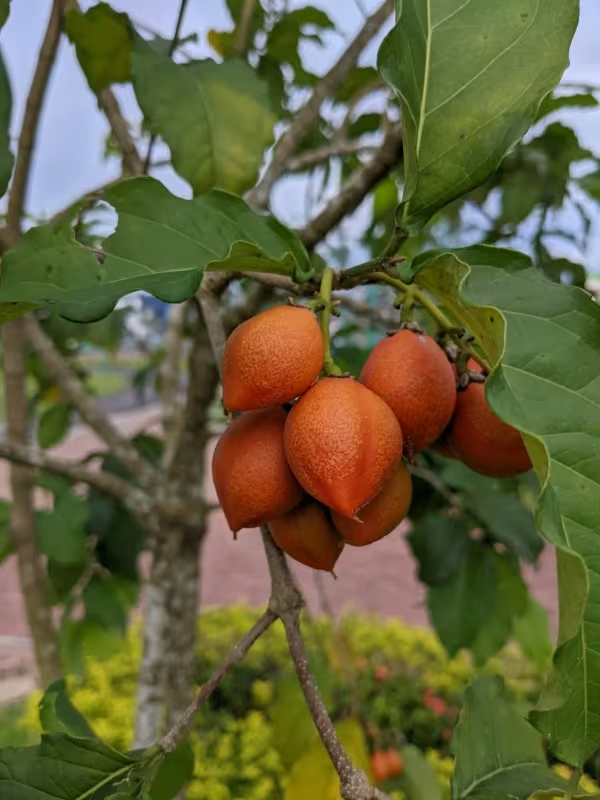
Description
Sowing dates
Propagation of Bunchosia argentea is primarily achieved through seeds, which must be sown immediately after harvest as they lose viability quickly. They should be placed in a loose, well-draining potting medium.
Optimal germination occurs at temperatures between 25 and 30 degrees Celsius. Maintaining consistent moisture in the seedbed is essential, but care must be taken to prevent waterlogging which can lead to fungal attacks.
Cuttings represent another propagation method, allowing for the replication of desirable tree traits. Semi-hardwood cuttings treated with rooting hormones typically show the highest success rate when kept in high-humidity environments.
When transplanting young trees to their permanent location, a spacing of approximately 3 to 4 meters is recommended to allow for adequate crown development. This ensures sufficient light penetration to the inner branches.
Young saplings require protection from harsh winds and direct afternoon sunlight during the establishment phase, as their root systems are initially quite sensitive to environmental stress.
Growing requirements
Bunchosia argentea, a member of the Malpighiaceae family, is a strictly tropical species. It requires warm, frost-free climates and thrives where temperatures remain consistently above 15 degrees Celsius throughout the year.
The tree prefers fertile, slightly acidic to neutral soils with excellent drainage. While it can adapt to various soil types, waterlogged conditions are highly detrimental and can cause severe root health issues.
Full sun is ideal for maximum fruit production, although partial shade in intensely hot climates can help maintain tree vigor. Consistent watering is vital, especially during the flowering and fruit-setting stages.
Nutrient requirements are met through regular application of balanced NPK fertilizers during the growing season. Supplementing with organic matter like compost improves soil structure and promotes long-term health.
Good air circulation within the canopy is necessary to prevent the accumulation of moisture, which is crucial for reducing the risk of foliage and fruit diseases in humid tropical environments.
Yield
The harvest period for peanut butter fruit occurs several months after flowering, depending on local climate conditions. Trees typically start producing fruit in their third or fourth year of growth.
Fruits are small, orange-red berries that feature a soft, sweet, and mealy pulp. This unique texture and flavor profile give the tree its popular name, as it bears a striking resemblance to peanut butter.
Harvesting is usually done by hand, selecting fruits that have reached a deep, vibrant color. Since the fruits are highly perishable, they should be consumed or processed within a very short timeframe.
Productivity increases significantly as the tree matures and the crown expands. Pruning helps manage tree height and improves the accessibility of fruits, which are often clustered along the branches.
Post-harvest handling is critical due to the fruit's fragility. They are best utilized in the production of shakes, jams, or as a fresh snack directly harvested from the garden.
Main diseases and pests
Scale insects and mealybugs are the most common pests affecting this species. They often hide in the leaf axils or under foliage, extracting sap and reducing the overall vitality of the tree.
Fungal issues such as leaf spot or anthracnose can emerge if moisture levels are poorly managed or if air circulation is inadequate. Sanitation of the area around the base of the tree is helpful.
Root rot is the most serious disease risk, caused by improper soil drainage and over-irrigation. Symptoms often include yellowing leaves and a gradual decline in the tree's health that is hard to reverse.
Integrated pest management, involving the use of horticultural oils and promoting natural predators, is recommended to keep pest populations at a manageable level without resorting to harsh chemicals.
Routine inspections of the tree's health, particularly during the humid seasons, allow for the early detection and treatment of pests before they cause widespread damage to the foliage.