
Bunchosia armeniaca
Bunchosia armeniaca
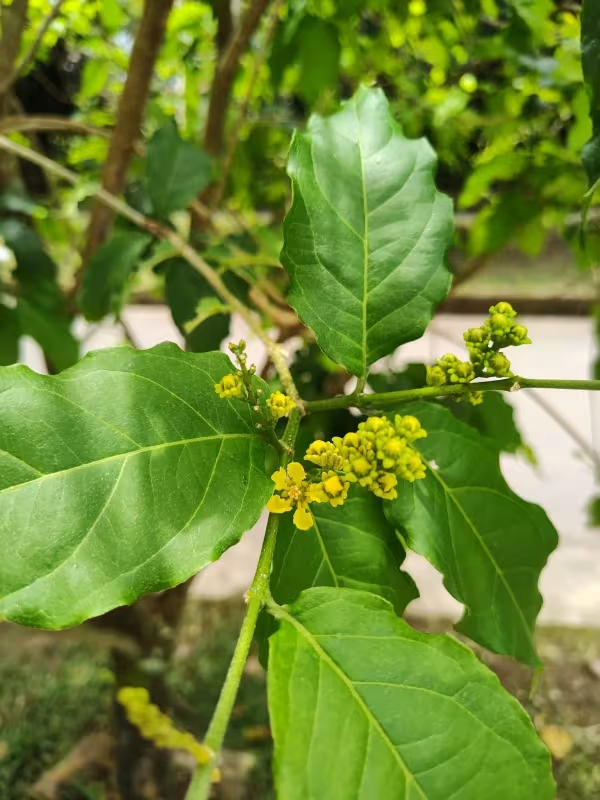
Description
Growing requirements
Bunchosia armeniaca, commonly known as the peanut butter fruit tree, is an evergreen species belonging to the Malpighiaceae family. It is native to the tropical regions of South and Central America, thriving in warm and humid environments.
The plant requires a strictly tropical or frost-free subtropical climate to survive. It is highly sensitive to temperatures near freezing, which can cause severe damage to the branches and foliage, often proving fatal to young trees.
For successful cultivation, the tree needs well-drained, fertile soil with a slightly acidic to neutral pH. Proper soil preparation is essential, as the roots are susceptible to rot if water is allowed to pool around the base of the plant.
Optimal growth occurs in full sunlight, though some protection from harsh winds is recommended to preserve the integrity of the canopy. Regular irrigation is necessary during dry spells, but drainage must be prioritized during rainy seasons.
Propagation is typically achieved through seeds. Because the seeds are recalcitrant and lose viability quickly, they should be sown immediately after removal from the fruit to ensure a high germination rate.
Yield
The fruit of Bunchosia armeniaca is small, round, and orange-red when ripe. Its pulp has a unique, dense, and slightly powdery texture, often described as having a flavor reminiscent of peanut butter, hence its common name.
Trees generally begin to bear fruit within three to four years of planting. The yield is typically seasonal and depends on the tree's health, local moisture levels, and the age of the specimen.
The fruits are versatile in culinary applications, being used primarily for jams, jellies, and desserts. Their mild, sweet, and nutty profile makes them an excellent ingredient for tropical fruit sauces or smoothies.
Due to the delicate nature of the skin and the soft texture of the flesh, the fruit is not well-suited for long-distance shipping. Therefore, it is primarily a backyard crop or a specialty item found in local regional markets.
Beyond its culinary value, the tree is frequently planted for its aesthetic appeal, serving as a beautiful addition to tropical gardens and home orchards due to its lush, evergreen foliage.
Main diseases and pests
The most common issues for this plant include fungal diseases, which often arise in environments with poor air circulation or excessive humidity. Regular pruning is essential to thin the canopy and allow light and air to penetrate.
Insect pests, such as aphids and scale insects, frequently target the succulent new growth of the tree. These can be managed through regular monitoring and the application of environmentally safe horticultural oils or biological insecticides.
Root health is crucial; therefore, monitoring for nematode infestations is advised in areas with sandy soils. Maintaining a layer of organic mulch around the root zone helps preserve moisture while discouraging weed growth.
Nutrient deficiencies, particularly involving iron and magnesium, can lead to chlorosis. Providing balanced, slow-release fertilizers during the active growing season will help maintain healthy leaf color and vigor.
Overall, the plant is relatively resilient if its specific climate and soil drainage requirements are met consistently throughout its life cycle.
Harvesting
Harvesting is performed by hand once the fruits turn a vibrant, deep orange-red color. Since ripe fruits tend to drop from the tree, frequent monitoring is necessary to capture them at their peak quality.
The fruits should be picked gently by the stem to avoid bruising the delicate skin. Any damage to the outer layer leads to rapid oxidation and fermentation, significantly reducing the shelf life of the harvest.
Ripening on the tree is often asynchronous, meaning harvest can continue over several weeks. This extended period allows for a steady supply of fresh fruit for immediate home use or processing.
Post-harvest, the fruit should be kept in a cool, well-ventilated area. Refrigeration can extend its life slightly, but the unique texture is best enjoyed when consumed within a few days of harvesting.
When preparing the fruit, seeds should be removed carefully as they can sometimes contain bitter compounds, though the flesh remains highly sought after for its sweet and savory profile.