
Bulbinella hookeri
Bulbinella hookeri
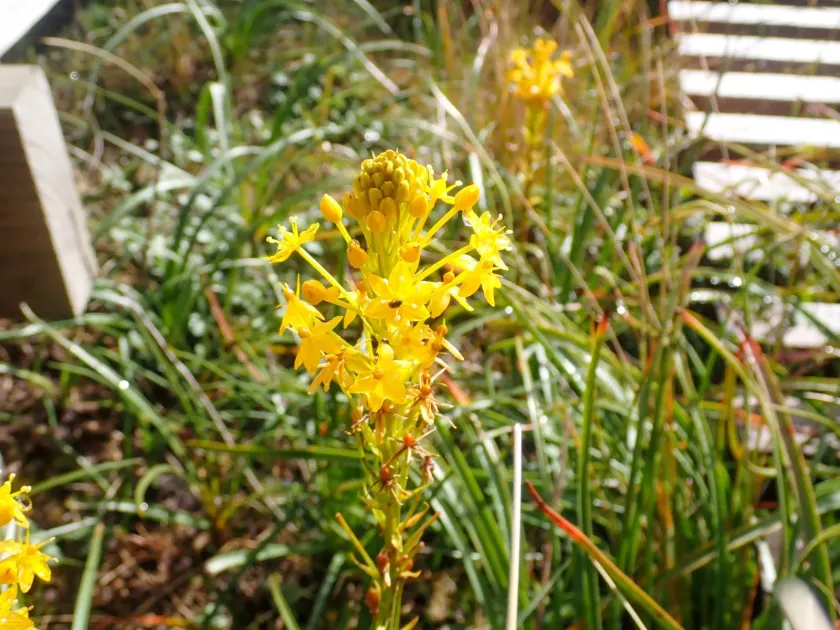
Description
Sowing dates
Sowing Bulbinella hookeri, a member of the Asphodelaceae family, is typically done in the autumn. Using trays or containers allows for a natural period of cold stratification, which is essential for successful germination.
Spring sowing is also possible, provided the seeds undergo a mandatory pre-chilling period in a refrigerator for at least 4 to 6 weeks. This mimics the environmental cycles of their native New Zealand habitats.
Seeds should be sown on the surface of a fine, porous growing medium and covered only lightly. Light is a crucial factor for their germination, so avoid burying the seeds deep in the soil.
Once seedlings have developed two sets of true leaves, they should be transplanted into individual pots. This practice promotes a robust root system before the plants are finally moved to the open field.
Transplanting to the permanent location is best performed in the spring. Ensuring a spacing of roughly 15 to 20 centimeters between plants allows for optimal airflow and reduces competition for nutrients.
Growing requirements
This species thrives in consistently moist, well-drained soils. Rich in organic matter, the soil should have a slightly acidic to neutral pH for the best growth performance.
While Bulbinella hookeri prefers full sun, it can adapt to partial shade in hotter climates. Protecting the foliage from intense afternoon heat is advisable to maintain plant vigor.
The site selection should focus on areas that do not suffer from water stagnation. While the plant loves moisture, it dislikes "wet feet," which can compromise the root structure.
Winter hardiness is moderate. In climates with severe frosts, applying a layer of organic mulch around the base of the plant will help regulate soil temperature and retain moisture.
Watering management is critical during the active growth season. Consistent hydration ensures that the tall, bright yellow flower spikes reach their maximum height and longevity.
Main diseases and pests
Slugs and snails represent the primary pest threat to the succulent leaves of this plant. Utilizing organic slug barriers or traps is recommended to protect the young growth.
Root rot is the most common issue associated with excessive moisture. Maintaining an excellent drainage system prevents the development of fungal pathogens that target the root zone.
Aphids can occasionally colonize the flower stems. Inspecting the plants regularly and using insecticidal soaps if an outbreak occurs can save the aesthetic quality of the blooms.
Leaf spot diseases may occur if plants are overcrowded and lack proper air circulation. Removing affected foliage and improving spacing usually corrects these symptoms effectively.
Nematode infestations can lead to stunted growth. Soil preparation and ensuring the use of sterile planting media are vital steps to avoid these soil-borne complications.