
Bulbinella cauda-felis
Bulbinella cauda-felis
Description
Sowing dates
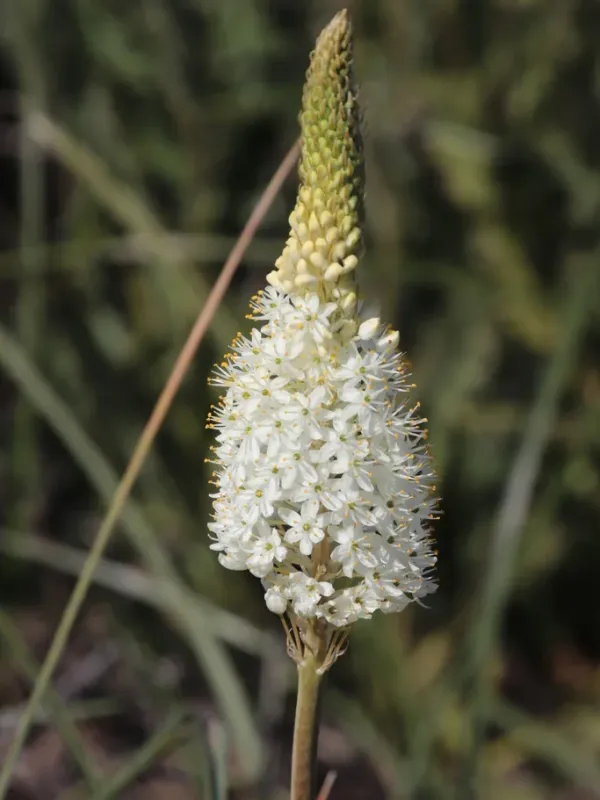
Bulbinella cauda-felis, commonly known as the cat-tail bulbine, is a perennial herbaceous plant belonging to the Asphodelaceae family. Originating from the winter-rainfall regions of South Africa, it is a specialized bulbous species.
Propagation is typically achieved through seeds or division of the rhizomes. Seeds should be sown in autumn into a well-draining, sandy-loam substrate to mimic the natural germination cycle during cooler, moist months.
Young seedlings grow quite slowly and require careful attention to lighting and moisture levels. Maintaining a bright, airy environment prevents the seedlings from becoming leggy or susceptible to damping-off.
Division of mature plants is best performed during the dormant season. When dividing, it is crucial to handle the fleshy root systems with care to minimize damage and promote rapid recovery once the growth cycle restarts.
For successful cultivation, choose a location with full sun exposure. Ensuring sufficient distance between plants will allow for proper air circulation, which is essential for the healthy development of the basal leaf rosettes.
Growing requirements
This species thrives in a climate that provides a distinct cool, moist growing season followed by a warm, dry summer rest period. It is essential to ensure that the plant receives maximum direct sunlight throughout its active cycle.
The soil must be exceptionally well-draining, as the plant is highly prone to root rot in waterlogged conditions. A mix of coarse sand, perlite, and modest organic matter is ideal for creating the necessary drainage profile.
During the growing season, irrigation should be regular but cautious, allowing the substrate to dry out significantly between watering sessions. Overwatering is the most common error in the cultivation of this species.
As summer approaches and the foliage begins to senesce, irrigation must be gradually withdrawn. During the dormant period, the bulbs should remain dry to simulate the natural drought conditions of their native habitat.
While the plant is hardy in temperate zones, frost protection is advised in regions with extreme winter temperatures. In such areas, container gardening is recommended to allow for easy relocation to a sheltered spot.
Main diseases and pests
The primary health risk for Bulbinella cauda-felis involves fungal pathogens affecting the bulbs and roots. Excessive moisture combined with poor drainage creates ideal conditions for rot-causing fungi to thrive.
Proper sanitation is vital to prevent the spread of diseases. Any signs of yellowing or soft foliage should be immediately investigated, and affected tissue must be removed to avoid infection of healthy parts.
Pests such as thrips and spider mites may occasionally infest the plants, particularly in glasshouse conditions or during periods of prolonged dryness. These pests damage the foliage and can weaken the plant.
Integrated pest management strategies, including the use of mild systemic insecticides and high-pressure water washing, are effective against common sap-sucking pests found on these bulbs.
Preventative care, including the selection of a well-ventilated site and strict adherence to the watering schedule, remains the most effective defense against the majority of biological and environmental threats.