
Bufonia perennis
Bufonia perennis
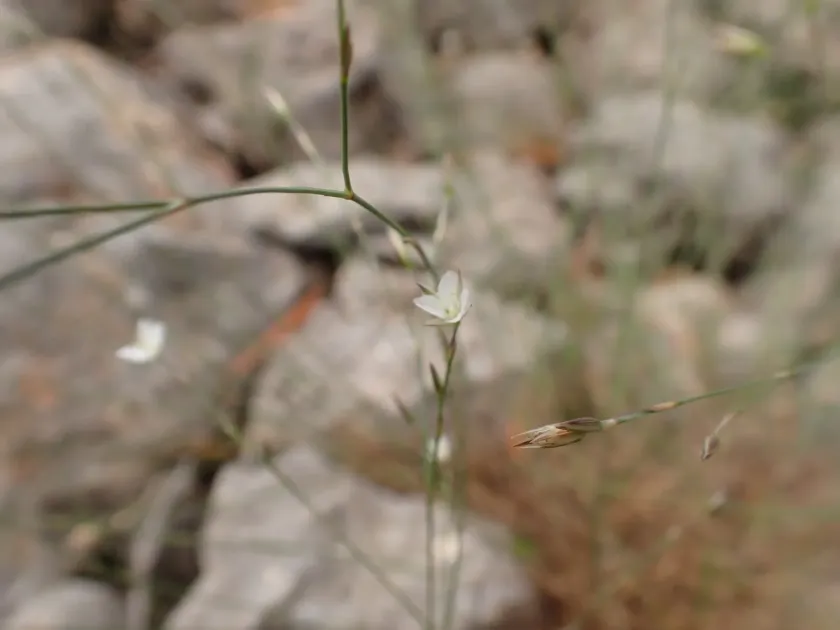
Description
Sowing dates
Bufonia perennis is a member of the Caryophyllaceae family, known for its specific growth habits. Propagation of this species is most effectively achieved through seeds, which require specific preparation for germination.
Sowing in autumn or early spring is recommended. For spring planting, seeds should undergo cold stratification for 4-6 weeks at temperatures between +2°C and +5°C to ensure high germination rates.
When starting indoors, use a well-draining, light potting mix. Seeds should be sown on the surface and pressed down gently, as they require light to germinate efficiently and should not be buried deeply.
Transplanting seedlings into individual pots is performed when the plants have developed two sets of true leaves. This step helps in building root density before the plants are transferred to their final location.
Spacing is a critical factor for success. Maintaining a distance of 20-25 cm between plants allows for optimal airflow, which is essential for minimizing the risk of fungal infections in the mature stands.
Growing requirements
The plant thrives in full sun exposure. It is highly adapted to rocky or sandy soils, which are typical for its native habitat where moisture does not accumulate near the root zone.
Soil drainage is the most vital requirement. The species is highly susceptible to root rot if grown in heavy clay or waterlogged conditions, making well-drained substrate a mandatory prerequisite for successful growth.
A neutral to slightly alkaline pH is preferred for Bufonia perennis. Incorporating mineral mulch or gravel around the base of the plant helps maintain soil structure and promotes healthy root development.
While the plant is drought-tolerant once established, supplemental watering is necessary during the first growing season. Consistent moisture without saturation is the key balance to maintain during the plant's development phase.
Fertilization should be kept to a minimum. Over-application of nutrients, particularly nitrogen, can lead to weak, elongated stems that lack the structural integrity to withstand wind or physical damage.
Main diseases and pests
Fungal diseases are the primary threat, especially in humid or stagnant air environments. Root rot and leaf spot are common issues that arise when the plant is exposed to excessive environmental moisture.
Cultural practices such as improving site drainage and ensuring proper spacing are the best preventive measures. In cases of severe infection, localized application of fungicides is recommended.
Pests such as aphids and spider mites may colonize the plants during periods of heat stress. Regular monitoring of the foliage helps detect early signs of infestation, allowing for prompt chemical control.
Weed control is essential, as the species does not compete well with vigorous weeds in its early stages. Mechanical weeding should be done with care to avoid disturbing the sensitive root system.
During the dormant winter period, it is important to ensure that snow cover or mulch does not suffocate the crown of the plant, which can lead to crown rot in the following spring.