
Bufonia paniculata
Bufonia paniculata
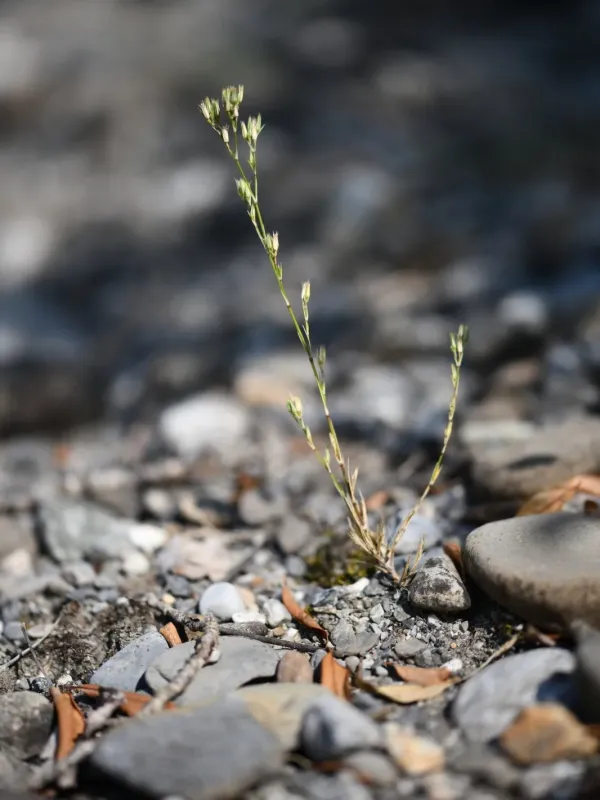
Description
Sowing dates
Bufonia paniculata belongs to the Caryophyllaceae family and is recognized for its adaptation to specific ecological niches within its native range.
In its natural habitat, the plant relies on seed dispersal strategies that ensure survival in arid or semi-arid environmental conditions.
For intentional propagation, seeds should be sown in a well-draining medium during the autumn or early spring to allow for natural stratification.
The planting depth should be shallow, as small seeds require consistent moisture and moderate light exposure to break dormancy effectively.
Proper spacing is crucial to prevent seedling competition and to ensure that individual plants develop their characteristic branched structure.
Growing requirements
This species thrives in well-drained, porous soils, specifically preferring sandy or rocky substrates that prevent excessive moisture accumulation.
As a heliophyte, Bufonia paniculata requires full sun exposure for the duration of the growing season to achieve optimal photosynthetic rates.
The plant is highly drought-tolerant, exhibiting physiological mechanisms that allow it to withstand prolonged dry spells common in its natural range.
Neutral to slightly alkaline pH levels are generally considered the most suitable for the healthy development of its root and shoot systems.
It is generally poorly suited for high-fertility soils, as its growth habit is optimized for nutrient-poor and harsh environmental conditions.
Main diseases and pests
Root rot and crown decay are primary threats, usually triggered by waterlogging or soil compaction during periods of high precipitation.
Fungal infections can emerge in poorly ventilated areas where stagnant air leads to increased humidity around the lower parts of the stem.
Insects like aphids and spider mites can cause damage by extracting sap, potentially weakening the plant and making it susceptible to pathogens.
Weed interference is a major risk, as shading from larger vegetation restricts the plant's growth and limits its ability to reach maturity.
Effective management includes regular monitoring of soil moisture levels and ensuring the planting site remains clear of competing invasive species.