
Bufonia macropetala
Bufonia macropetala
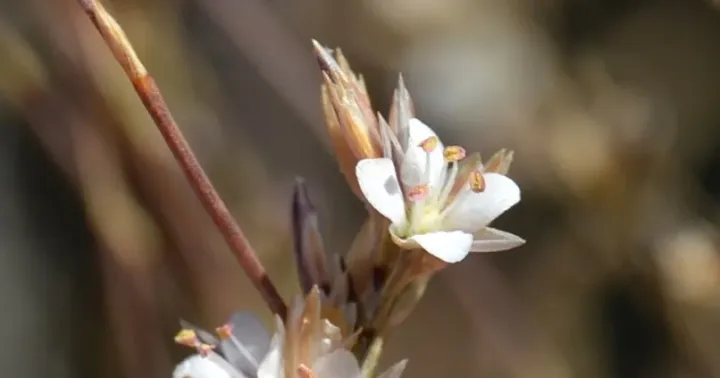
Description
Sowing dates
Bufonia macropetala is a perennial herb belonging to the Caryophyllaceae family. It is a unique botanical species often studied for its resilience in arid landscapes.
The sowing season typically begins in early spring, once soil temperatures consistently exceed 10 degrees Celsius. High-quality seeds ensure better field establishment.
Seeds should be sown at a shallow depth of approximately 0.5 to 1 cm to ensure proper oxygen availability for germination. A fine, level seedbed is recommended.
Maintaining seed-to-soil contact is critical for germination success. Watering after sowing should be light to prevent the seeds from being washed away or buried too deeply.
The plant demonstrates a steady growth rate after emergence. Proper spacing is required to reduce competition for nutrients and light in the early development phase.
Growing requirements
This crop thrives in full sunlight. Exposure to direct sunlight is essential for maintaining the structural integrity of the plant and promoting healthy flowering.
Soil structure should be sandy or loamy with excellent drainage. Poor drainage leading to waterlogged conditions is a primary cause of plant decline.
Bufonia macropetala is adapted to soils with neutral to slightly alkaline pH levels. It does not require high levels of soil fertility to thrive in its natural range.
The climate requirements include a warm, dry growing season. It is well-adapted to regions with low to moderate rainfall, making it drought-tolerant once established.
Nutrient management should focus on balanced feeding. Over-fertilization can result in weak stems that are prone to lodging and reduced seed production quality.
Main diseases and pests
Fungal infections, particularly root rot, are the most significant threat to this crop. These diseases are usually triggered by excessive irrigation or poor drainage.
Aphids are the most common pests that infest the crop, damaging young leaves and blossoms by extracting essential plant sap, which slows growth.
Spider mites may affect the crop during hot, dry weather conditions, causing chlorophyll depletion in the foliage and reducing overall plant vitality.
Regular monitoring of the canopy is advised to detect early signs of pest infestation. Preventive measures include proper sanitation of the growing area.
Effective weed management is essential for this species, as it is relatively slow to establish in the presence of aggressive, fast-growing weeds.