
Bruguiera cylindrica
Bruguiera cylindrica
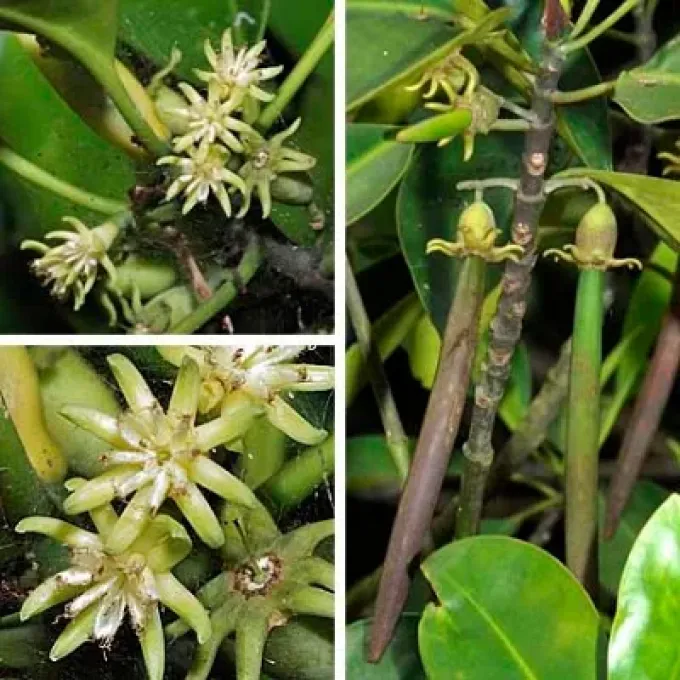
Description
Sowing dates
Bruguiera cylindrica is a unique mangrove species that propagates through viviparous seedlings known as propagules, which develop while still attached to the parent tree.
In cultivation, mature propagules are harvested directly from the tree when they are fully developed and ready to establish themselves in the substrate.
Planting is performed in soft, intertidal mud where the propagule is carefully inserted to ensure it remains stable against tidal currents.
The optimal planting season coincides with the rainy season, which helps to maintain the necessary soil moisture and reduces osmotic stress on the young plant.
Spacing between plants is crucial to ensure that each seedling has sufficient access to nutrients and light once it begins to grow rapidly.
Growing requirements
This species requires a tropical climate with consistent temperatures and high atmospheric humidity to thrive throughout its lifecycle.
It is strictly tied to intertidal zones, where regular exposure to seawater or brackish water is necessary for nutrient cycling and growth.
The soil substrate must be nutrient-rich, fine-grained mud or silt capable of holding enough water to support the plant during low tide.
The plant features distinct knee-like pneumatophores that allow it to obtain essential oxygen in saturated, anaerobic muddy soils.
Environmental stability, particularly regarding salinity levels, is vital, as excessive freshwater influx or industrial pollution can be lethal.
Yield
The primary economic use of Bruguiera cylindrica is the production of durable timber, which is valued for its density and resistance to decay.
Its wood is widely used in the construction sector for building poles, marine structures, and high-quality charcoal production for local markets.
The bark of the tree is a rich source of tannins, which are traditionally and commercially used in the leather tanning industry for treating hides.
The species plays an essential role in coastal protection by stabilizing sediment and buffering the impact of storm surges on the coastline.
Mangrove stands of this species serve as essential nurseries for marine biodiversity, supporting the growth of fish and shellfish populations.
Main diseases and pests
Seedlings are highly vulnerable to crab predation, as various crab species frequently cut and consume the succulent stems of the young plants.
Boring insects represent a significant threat to mature trees, as they penetrate the wood and compromise the structural integrity of the trunks.
Pathogenic fungi can thrive in the high-humidity environment, leading to root rot and significant damage to the plant's vascular system.
Defoliating larvae often cause massive leaf loss, which severely restricts the plant's photosynthetic capacity and hinders its development.
- Integrated pest management is recommended for plantation health.
- Regular monitoring of sapling survival is mandatory in the first year.
- Preserving the natural balance prevents excessive pest outbreaks.