
Brugmansia insignis
Brugmansia insignis
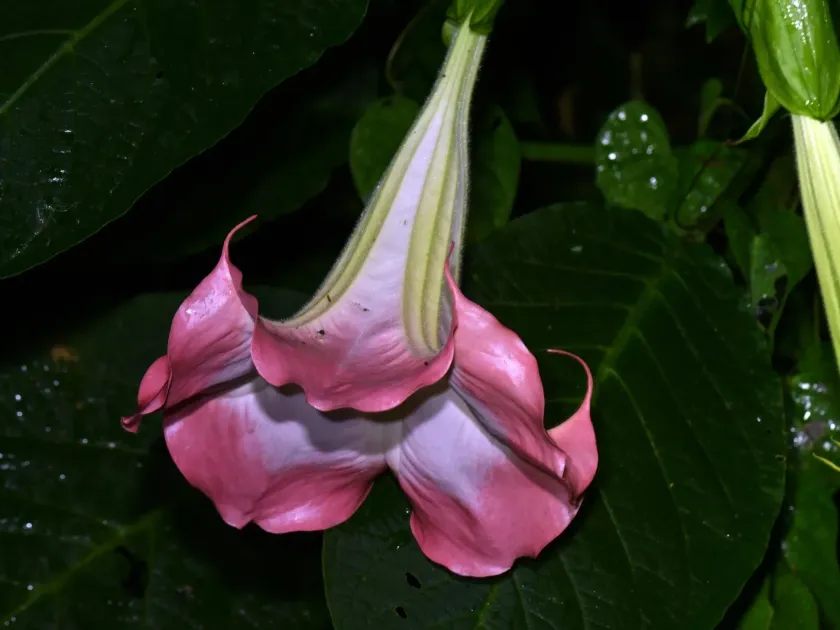
Description
Growing requirements
Brugmansia insignis is a perennial shrub belonging to the Solanaceae family. Originally native to the tropical regions of South America, it is widely cultivated globally for its impressive, trumpet-shaped flowers that release a distinct fragrance, especially during the evening hours.
The plant requires a warm and humid environment to thrive. It performs best in full sunlight but benefits from partial shade in regions with intense solar radiation. As a tropical species, it cannot withstand frost and must be protected or moved indoors if the temperature drops significantly.
Regarding soil requirements, Brugmansia insignis demands a fertile, well-draining substrate rich in organic matter. Maintaining a balanced soil pH, ideally between 6.0 and 7.0, is crucial for optimal nutrient uptake and vigorous growth.
Standard agrotechnical practices for this species include consistent watering during the peak growing season to prevent wilting of the large leaves. It is also a heavy feeder, requiring regular application of balanced liquid fertilizers to support its rapid growth rate and continuous flowering cycle.
In terms of usage, this plant is primarily employed in ornamental horticulture. It is frequently used as a specimen plant in patio containers, large garden landscapes, or commercial conservatories, where its structural form and aromatic blooms provide high aesthetic value.
Main diseases and pests
Brugmansia insignis is susceptible to several common greenhouse pests. The most frequent threats include spider mites, whiteflies, and aphids, which thrive in dry indoor conditions and can lead to rapid plant decline if not controlled early.
Pathogenic threats include root rot and stem rot, typically caused by overwatering or poor drainage. Fungal diseases such as powdery mildew can also occur if the humidity levels are high and air circulation remains stagnant, necessitating preventive measures like pruning and proper spacing.