
Angel's trumpet
Brugmansia candida
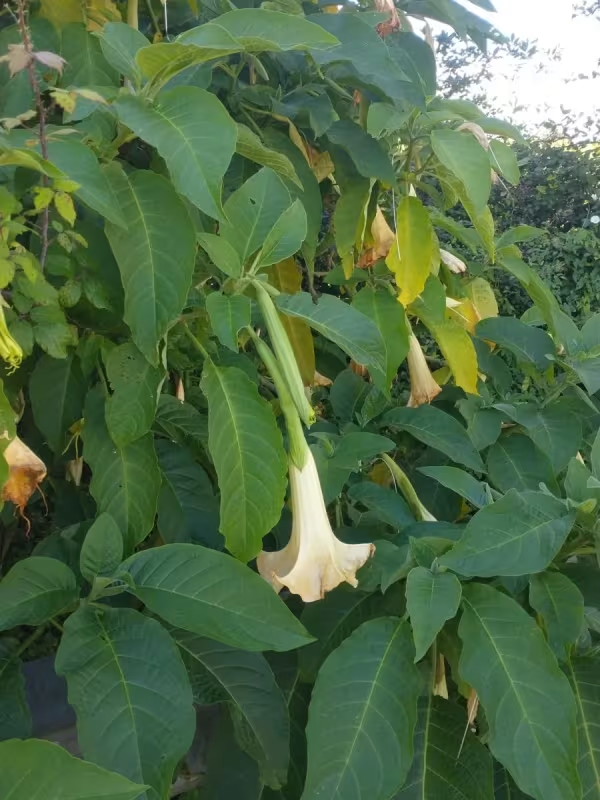
Description
Sowing dates
Propagation of Brugmansia candida is most effectively performed through stem cuttings. The best time for collecting semi-hardwood cuttings is late winter or early spring, allowing the plant sufficient time to establish roots before the active growth season.
Seed propagation is less common due to the long germination period and the potential loss of specific cultivar traits. When seeds are used, they are sown in a warm greenhouse environment with high humidity levels.
Cuttings should be approximately 15-20 cm long and placed in a well-draining, sterile rooting medium. Providing bottom heat can significantly improve the success rate of root formation during the initial stages.
Once roots are established, the young specimens are transitioned into individual containers with nutrient-rich soil. It is critical to acclimatize these plants gradually to outdoor conditions to prevent transplant shock.
In regions with cold winters, the plant must be cultivated in pots to allow for easy relocation to a protected, frost-free area during the colder months.
Growing requirements
Brugmansia candida, a member of the Solanaceae family, is a highly decorative shrub that thrives in bright, full sun conditions. Adequate light exposure is essential for the plant to produce its signature large, trumpet-shaped flowers.
The soil requirements are specific: the medium must be fertile, rich in organic matter, and well-draining. A pH level ranging from slightly acidic to neutral is ideal for promoting optimal nutrient uptake.
Watering management is vital, especially during the peak summer months. Given the plant's large foliage, water loss through transpiration is rapid, necessitating consistent and abundant moisture to keep the plant vigorous.
Regular fertilization is required to support the energy-intensive flowering process. Growers typically apply a balanced NPK fertilizer with increased potassium levels during the growing season to maximize bloom production.
Climate management involves strictly avoiding freezing temperatures. The plant is not frost-hardy and will experience significant damage or death if exposed to temperatures at or below the freezing point.
Main diseases and pests
Spider mites are the most prevalent pest for Brugmansia, particularly in greenhouse conditions where the air can become dry. These pests can rapidly infest the undersides of leaves, leading to stunted growth.
Whiteflies are another common issue, often congregating on the stems and leaves to feed on plant sap. These insects can excrete honeydew, which may lead to the development of sooty mold on the foliage.
Root rot, caused by overwatering or poorly draining soil, is a frequent cultural disease. It is essential to ensure that containers have ample drainage to prevent waterlogging, which compromises the root health.
Viral infections can occasionally occur, manifesting as mottled leaves or distorted growth. Since there is no cure for these viruses, the most effective strategy is to remove and destroy the affected plant material.
- Monitor for pests weekly.
- Sanitize tools regularly to prevent spread.
- Maintain adequate spacing for airflow.