
Rose of the Mountain
Brownea rosa-de-monte
Description
Growing requirements
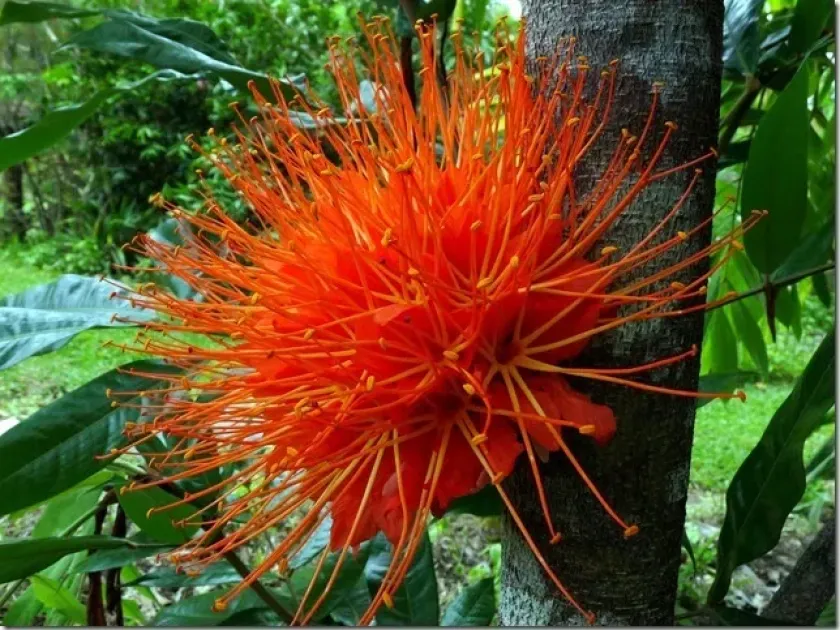
Brownea rosa-de-monte, commonly known as the Rose of the Mountain, is a breathtaking evergreen tree belonging to the Fabaceae family. It is widely admired for its large, dense, rose-like flower clusters that emerge directly from the branches.
Native to the tropical rainforests of South America, this species thrives in high humidity and warm, stable temperatures. It is primarily grown as an ornamental specimen in tropical gardens or specialized greenhouses in temperate regions.
The tree requires a deep, well-draining soil that is rich in organic matter. As it is accustomed to the forest floor environment, it prefers slightly acidic to neutral soil pH and plenty of space for its root system to expand without obstruction.
Climate requirements include protection from direct, scorching sun during the hottest parts of the day and complete insulation from frost. Even a minor dip in temperature below 10°C can significantly impair the physiological processes of the tree.
Agrotechnical maintenance requires consistent moisture levels in the substrate throughout the year. While the tree loves moisture, it is imperative that the soil never becomes waterlogged, as this is the quickest way to induce decline in the plant's health.
Main diseases and pests
Root rot is the most common threat to the Rose of the Mountain, often caused by overwatering or poor drainage conditions. Ensuring that the planting site or pot has excellent water permeability is the primary defensive measure.
Scale insects are frequent pests that can infest the woody stems and branches. These sap-sucking insects can weaken the plant and reduce its aesthetic value if left untreated, requiring manual removal or targeted pesticide application.
Spider mites can become problematic if the surrounding air humidity is too low. Increasing moisture via misting systems or grouping plants to create a microclimate is an effective way to discourage these pests.
Fungal leaf spot infections may occur in stagnant, humid environments with poor airflow. Maintaining good ventilation around the canopy is essential to keep the foliage dry and healthy during the night.
Regular monitoring of the tree's canopy is vital for early detection of potential threats. By maintaining a clean environment and balanced nutrition, the tree's natural resilience to disease and pests is significantly enhanced.