
Rose of the Mountain
Brownea coccinea
Description
Growing requirements
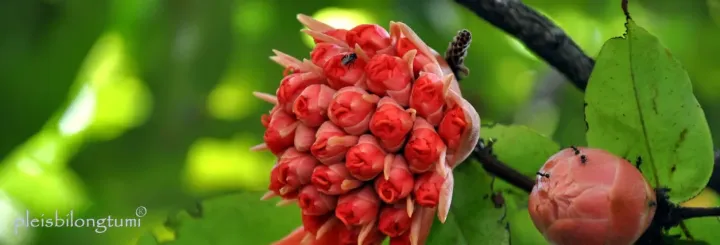
Brownea coccinea, commonly known as the Rose of the Mountain, is a striking member of the Fabaceae family. It is an evergreen shrub or small tree native to the tropical rainforests of Venezuela and Guyana, where it typically grows in the shaded understory.
In terms of climatic requirements, this plant thrives only in tropical conditions. It requires high constant temperatures and significant humidity to maintain its lush foliage and produce its characteristic vibrant, nectar-rich flowers throughout the growing season.
Soil management for this species necessitates a rich, well-draining medium. The ideal planting site should have high organic content, mimicking the forest floor, and a slightly acidic to neutral pH balance to ensure optimal nutrient uptake for the root system.
Regarding light, while it is a tropical plant, it does not tolerate harsh, direct sunlight, which can scorch its leaves. Partial shade or diffused light is essential, particularly for container-grown specimens or in greenhouse cultivation settings.
The cultural use of Brownea coccinea is primarily ornamental. It is highly valued in tropical landscaping as a specimen tree or in botanical conservatories due to its impressive, globe-shaped inflorescences that attract various pollinators.
Main diseases and pests
Common pests include spider mites and mealybugs, which often infest the plant when ambient humidity levels drop too low. Consistent misting and monitoring are the most effective strategies to prevent these infestations from causing significant foliage damage.
Root rot, often caused by waterlogged soil conditions, poses a major threat to the health of the plant. Ensuring excellent drainage and avoiding over-irrigation are critical practices for maintaining the long-term vitality of the specimen.