
Brownea ariza
Brownea ariza
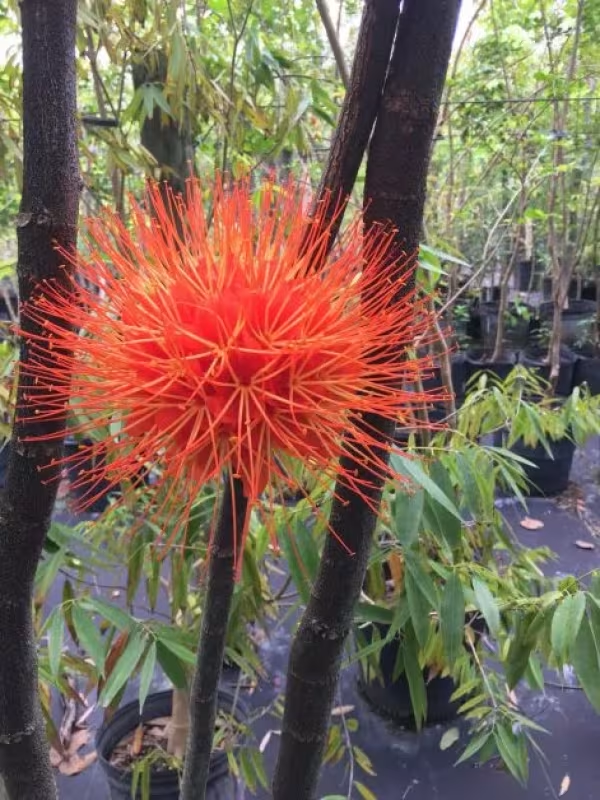
Description
Growing requirements
Brownea ariza is a magnificent evergreen shrub or small tree belonging to the Fabaceae family. Native to the tropical rainforests of South America, particularly Colombia, it is highly valued for its striking, large, rose-like flower clusters that emerge from the branches.
This species requires a warm, humid environment to thrive, making it an excellent candidate for botanical gardens and climate-controlled greenhouses. It demands consistent temperatures ideally ranging between 20°C and 28°C throughout the year, with no tolerance for frost.
Light management is crucial for the healthy development of Brownea ariza. While it requires bright light to initiate flowering, direct exposure to harsh sun should be avoided to prevent leaf scorch. Providing filtered or dappled light mimics its natural understory habitat.
Soil requirements focus on high organic content and excellent drainage capacity. A mixture of peat, loam, and coarse perlite or sand is recommended to ensure that water does not accumulate, which could lead to suffocation of the delicate root system.
Agricultural practices for this plant emphasize precise irrigation. The soil should remain consistently moist but never waterlogged. Furthermore, the ambient humidity must be kept high, often requiring automated misting systems in indoor cultivation environments.
Main diseases and pests
The primary pests affecting Brownea ariza in controlled environments include spider mites and mealybugs. These pests thrive in dry conditions or poor air circulation, often congregating on the undersides of leaves where they extract essential plant sap.
Root rot is a major threat linked to improper watering techniques. When the drainage system is compromised, or the medium is kept too dense, pathogenic fungi take hold, leading to rapid deterioration of the plant's structural integrity.
Nutritional deficiencies can occur if soil pH levels drift away from the slightly acidic to neutral range. Periodic monitoring of the substrate and the application of balanced micronutrient-rich fertilizers are essential to maintain the vibrant foliage color.
Control of infestations should rely on an Integrated Pest Management (IPM) approach. This includes physical cleaning of the foliage, the introduction of natural predators if space allows, or the use of targeted horticultural soaps and systemic insecticides.
Environmental stability is the best defense against disease. Preventing sudden drops in temperature and maintaining steady humidity levels significantly reduces plant stress, thereby enhancing its natural resilience against common greenhouse pathogens.