
Brocchinia reducta
Brocchinia reducta
Description
Growing requirements
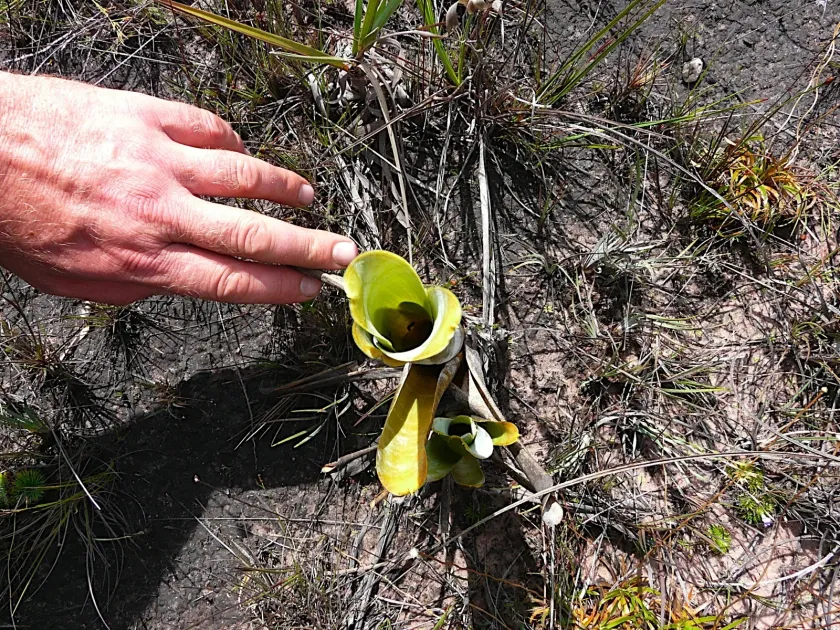
Brocchinia reducta is a remarkable plant belonging to the Bromeliaceae family, widely known for its specialized carnivorous behavior. Originating from the nutrient-poor, sandy soils of the Guiana Shield in Venezuela, Guyana, and Colombia, it has evolved to thrive in extreme conditions where nitrogen is scarce.
In cultivation, this plant requires a specific growing environment that mimics its native habitat. It thrives in highly acidic, nutrient-deficient substrates such as pure long-fibered sphagnum moss or high-quality peat moss. Avoid standard potting soils as they are too rich and can cause root damage.
Light intensity is crucial for the development of Brocchinia reducta. It requires bright, filtered sunlight to maintain its structural integrity and color. While it enjoys a warm climate, ideally between 20°C and 28°C, it is sensitive to extreme heat without adequate ventilation to prevent overheating.
The watering regime must be strictly controlled using only distilled, reverse osmosis, or rainwater. Minerals found in tap water can quickly lead to salt buildup in the leaf tank and the substrate, which the plant cannot process, leading to gradual decline and potential death of the specimen.
Humidity management is a key factor in successful maintenance. The plant benefits from high relative humidity levels. Regular light misting of the surrounding air is beneficial, and ensuring that a small amount of clean water is always maintained in the central tank is essential for the plant's metabolic processes.
Main diseases and pests
The primary threats to Brocchinia reducta are fungal and bacterial infections caused by stagnant water or poor air circulation. Root rot is a common issue if the potting medium remains waterlogged for too long without proper drainage.
Insects like mealybugs can infest the leaf bases, causing stress and reducing the plant's ability to capture prey. Preventive measures include regular physical inspections and maintaining optimal environmental conditions, as pests often target weakened or stressed specimens in suboptimal greenhouse setups.