
Brocchinia hechtioides
Brocchinia hechtioides
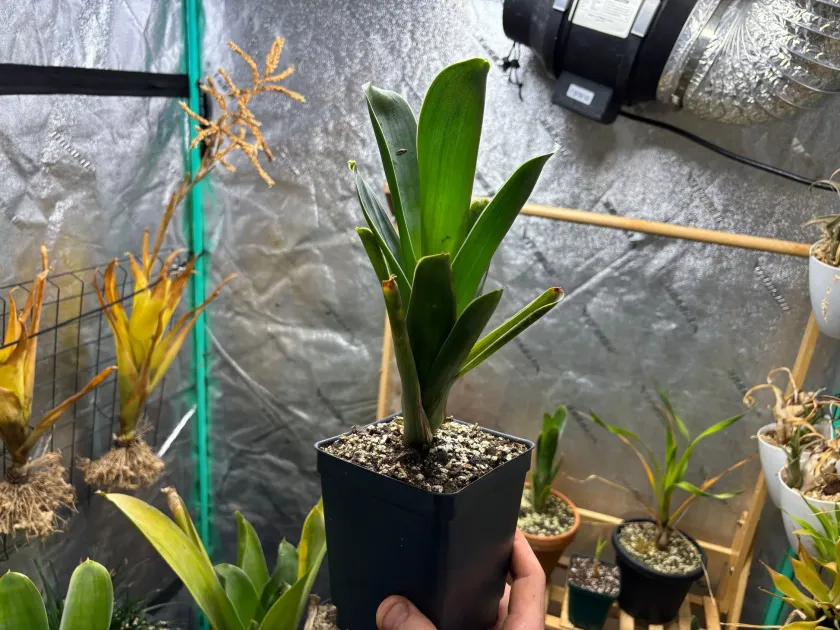
Description
Growing requirements
Brocchinia hechtioides is a fascinating species within the Bromeliaceae family, native to the high-altitude regions of Venezuela and surrounding areas.
The natural environment of this plant consists of open, rocky, or sandy terrains where it thrives under conditions of high humidity and moderate tropical temperatures.
In cultivation, the plant requires a highly porous, acidic, and well-draining substrate to replicate the mineral-poor, organic-rich soil found in its original habitat.
Light intensity is a critical factor for the healthy development of this bromeliad; it prefers bright, indirect sunlight to maintain its structural integrity and color.
Agrotechnical management requires filling the central tank of the leaf rosette with soft, dechlorinated water, which serves as the primary nutrient-gathering mechanism.
Main diseases and pests
Root rot is the most common physiological challenge, usually triggered by waterlogging the potting medium or using poorly draining soil mixtures.
Fungal leaf spot diseases occur frequently if the foliage remains wet in poorly ventilated conditions, requiring careful control of the surrounding microclimate.
Mealybugs and scale insects represent the most significant pest threats, as they often hide deep within the dense leaf bases of the central rosette.
Prevention methods include maintaining optimal airflow around the plant and routine inspections to catch potential pest infestations at an early stage.
Proper water quality management is essential; high salinity or alkalinity in irrigation water can cause severe damage to the leaf structure and inhibit plant growth.