
Brocchinia micrantha
Brocchinia micrantha
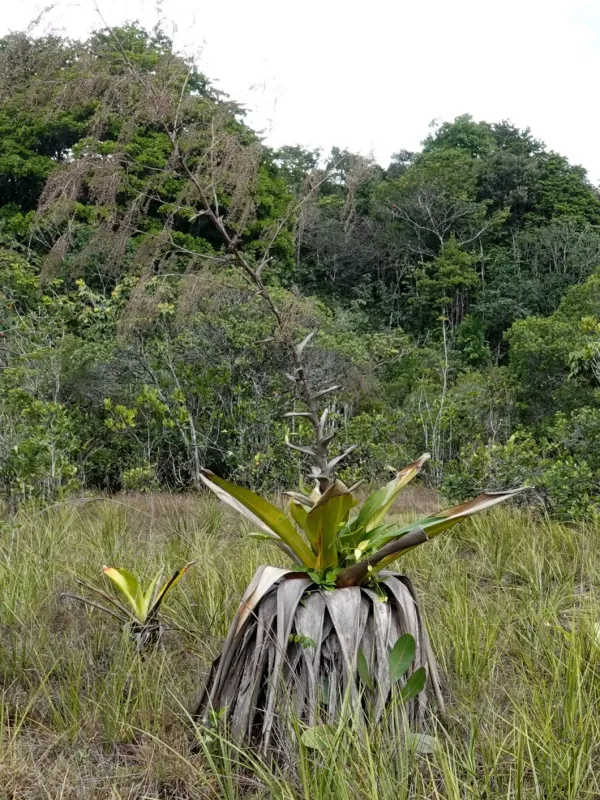
Description
Growing requirements
Brocchinia micrantha is a distinct species belonging to the Bromeliaceae family, native to the tropical regions of South America, specifically in Venezuela and Guyana. It thrives in high-humidity rainforest environments, often displaying adaptations that allow it to live epiphytically on forest trees.
The plant features a characteristic rosette arrangement of stiff, linear leaves, which function as a natural tank to collect rainwater and nutrients from decaying organic matter. This tank mechanism is essential for its survival in nutrient-poor forest niches, allowing the plant to sustain itself effectively.
Cultivation requirements for this species are strict regarding climate control. It demands temperatures between 22 and 28 degrees Celsius and a high degree of ambient humidity. The plant should be protected from direct, intense sunlight, as it naturally evolved in the filtered light of the forest canopy.
Regarding soil, the species requires an extremely well-drained, airy substrate. A mix consisting of orchid bark, peat, sphagnum moss, and perlite is ideal. It is crucial to ensure that the medium does not become waterlogged, as this often leads to rapid deterioration of the plant's delicate root system.
In terms of economic use, Brocchinia micrantha is primarily utilized as a specimen plant in botanical gardens and specialized collections. Its rarity and specific biological needs make it a subject of interest for enthusiasts of tropical botany, although it is not considered a traditional agricultural crop.
Main diseases and pests
The most common threats to Brocchinia micrantha are fungal infections caused by stagnant water or poor air circulation within the plant's rosette. If the water inside the tank is not refreshed or becomes contaminated, it may lead to rotting of the central tissues.
Pests, such as mealybugs and spider mites, are frequent adversaries in a greenhouse or indoor environment. These pests often congregate at the base of the leaves, where they feed on sap and cause visible wilting or discoloration of the foliage.
Scale insects can also infest the leaves, creating small, hard bumps that weaken the plant over time. Early detection is vital for successful treatment, which typically involves systemic insecticides or manual removal with alcohol-soaked tools.
Environmental stress, such as low humidity or improper water quality (excessive chlorine or mineral content), can make the plant significantly more susceptible to opportunistic pathogens. Monitoring water quality is an essential aspect of successful cultivation.
Maintaining a clean, well-ventilated growing area is the best defense against disease outbreaks. Regularly flushing the central rosette with clean, deionized water helps prevent the accumulation of salts and minerals that could otherwise stress the plant's physiological processes.