
Braya rosea
Braya rosea
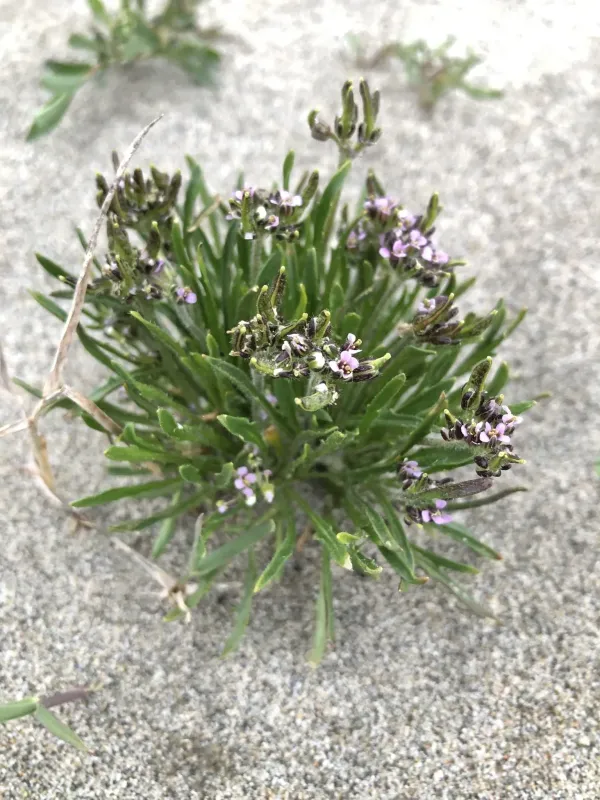
Description
Growing requirements
Braya rosea is a resilient perennial herb belonging to the Brassicaceae family. It is native to the harsh, high-altitude alpine regions of Central Asia, specifically thriving in the rocky, nutrient-poor landscapes of the Tibetan Plateau.
Botanically, this species is defined by its compact rosette structure, designed to minimize moisture loss and withstand strong mountain winds. Its deep taproot system allows it to reach water and minerals in extremely rocky soil conditions where few other plants can survive.
To cultivate Braya rosea successfully, one must replicate its native climate. It requires a substrate composed largely of grit, sand, and stone, providing exceptional drainage. Any water retention at the root collar will lead to rapid decay.
The plant thrives in cool, airy environments with plenty of direct sunlight. It cannot tolerate extreme summer heat or high humidity, making it suitable mainly for alpine-style gardens or controlled climate glasshouses with active ventilation.
Regarding soil chemistry, the plant prefers neutral to slightly alkaline pH levels. Fertilizers should be used very sparingly, if at all, as the species is adapted to nutrient-deficient environments and excessive feeding may lead to weak, elongated growth.
Main diseases and pests
Fungal diseases related to moisture, such as Rhizoctonia or crown rot, are the primary threats to this species. Providing superior air circulation around the crown of the plant is the most effective preventative measure against such pathogens.
While the plant is tough, aphids can occasionally infest the flower stalks during the short growing season. Regular scouting and, if necessary, the use of mild insecticidal soaps are recommended to keep populations under control.
Crucifer pests like flea beetles may attack the foliage during early growth stages. Protecting seedlings with fine netting can be an effective non-chemical approach to managing these pests in an outdoor environment.
Root-knot nematodes can also pose a significant problem in improperly sterilized growing media. Ensuring that the substrate is clean and free of contamination is vital for the long-term health of the root system.
Overwatering is the single most common cause of failure for growers. By maintaining a strict "dry-out" cycle between watering sessions, the risk of developing necrotic root issues is drastically reduced.