
Braya alpina
Braya alpina
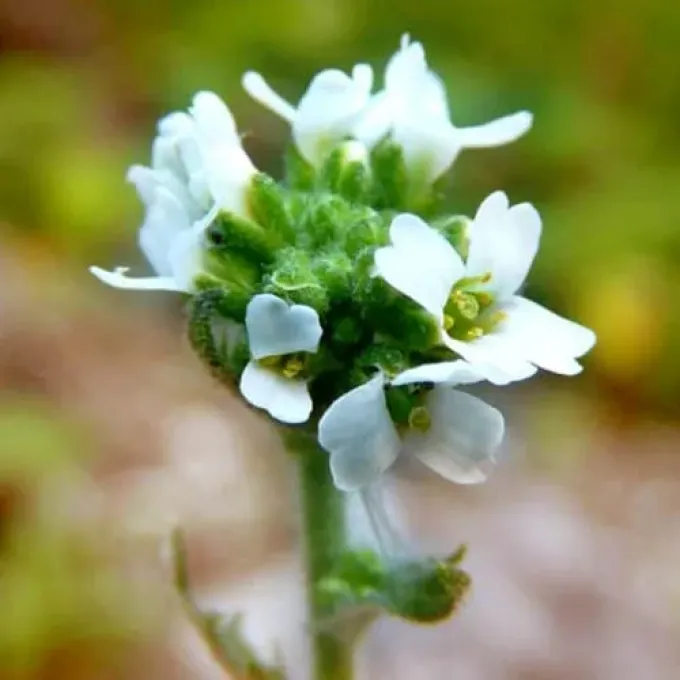
Description
Growing requirements
Braya alpina is a perennial herbaceous plant belonging to the Brassicaceae family. It is natively adapted to high-altitude mountain environments, specifically targeting rocky slopes and alpine screes where other plant species struggle to survive.
Botanically, the species is characterized by a low-growing rosette form, which is an evolutionary adaptation designed to mitigate the physical stress caused by high-altitude winds and extremely low ambient temperatures during the growth cycle.
The climatic requirements for this plant include a need for high light intensity and long periods of solar exposure. In a controlled cultivation setting, providing full sun conditions is mandatory to ensure the development of typical floral traits and plant vigor.
The soil requirements focus heavily on drainage. The substrate must be highly mineral, composed primarily of gravel and coarse sand, which prevents the moisture stagnation that is lethal to the specialized root system of this mountain-dwelling plant.
Maintaining the chemical balance of the soil is also important, as Braya alpina thrives in neutral to slightly alkaline environments. Excessive fertilization, especially with nitrogen-based compounds, should be avoided to maintain the plant's natural compact structure.
Main diseases and pests
Fungal pathogens associated with soil moisture are the most significant threats to Braya alpina. High humidity levels combined with poor soil aeration often result in root and crown rot, which can destroy the plant population rapidly.
In terms of pests, the plant is susceptible to common cruciferous insect threats, particularly flea beetles. These insects can cause significant foliar damage, weakening the plant and making it more prone to secondary bacterial or viral infections.
Weed control is essential, as the species has limited competitive ability against faster-growing vegetation. Ensuring a weed-free space around each plant is a standard agronomic requirement to prevent nutrient and light deprivation.
Climate instability, particularly late spring frosts following premature warm spells, represents a significant risk. During these events, the plant's active tissues can sustain frost damage, potentially impacting the flowering success of that season.
Integrated pest management protocols must be tailored to the sensitivity of this species. It is recommended to prioritize physical and biological interventions over chemical treatments, as the plant can react adversely to standard synthetic pesticides.