
Braya linearis
Braya linearis
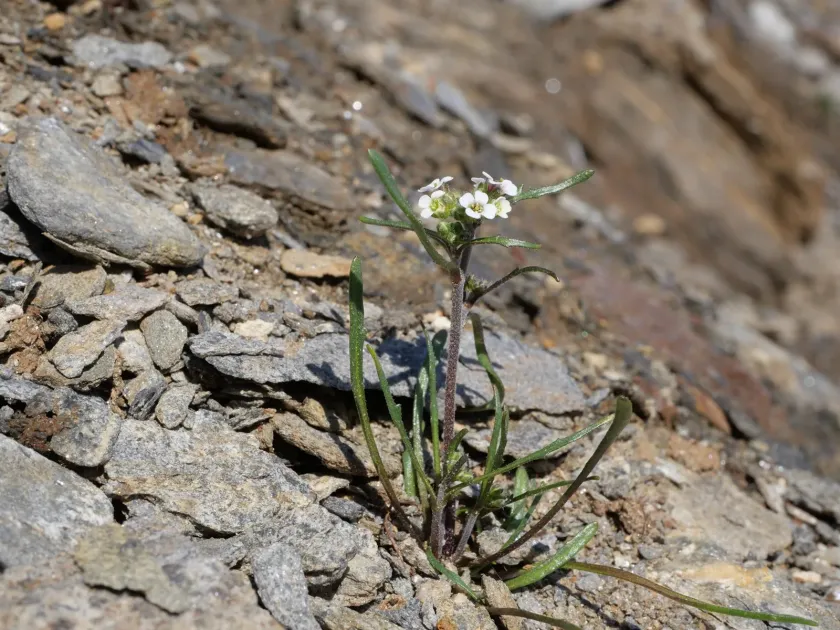
Description
Growing requirements
Braya linearis is a perennial herbaceous plant belonging to the Brassicaceae family. While not an agricultural crop in the traditional sense, it is a significant species in the study of Arctic and alpine vegetation, exhibiting remarkable evolutionary adaptations.
The origin of this species is linked to the cold regions of Scandinavia. Its natural habitat consists of sparsely vegetated, rocky, or gravelly slopes, where it has evolved to thrive under conditions of extreme temperature fluctuations and limited nutrient availability.
The cultivation requirements are highly specific, mirroring its natural environment. It demands well-drained, alkaline soils, often rich in limestone minerals. The plant does not tolerate high humidity or waterlogged soil, which typically leads to root degradation.
The climate requirements include a need for high light intensity during the short growing season. The plant's physiology is tuned to survive frozen soil conditions during winter, followed by rapid growth when the snow cover retreats in late spring.
Current economic use is strictly limited to scientific research and biodiversity conservation. Its role as a genetic model for cold tolerance makes it a subject of interest for breeders aiming to develop more resilient varieties of related cultivated brassicas.
Main diseases and pests
The primary threats to Braya linearis are associated with global climate change and the subsequent encroachment of more vigorous vegetation. As an Arctic specialist, it lacks the competitive ability to survive in denser, warmer plant communities.
Pests and diseases are not significant limiting factors in its natural habitat due to the harsh environmental conditions that inhibit most pathogens. The species maintains a robust defense mechanism against common botanical diseases.
Fungal pathogens may occasionally emerge in conditions of anomalous moisture, but this is rare in its preferred, high-drainage, limestone-based habitats. Its natural resilience is highly effective in standard conditions.
Habitat fragmentation due to human activity, such as infrastructure development in Arctic regions, poses a significant risk. The plant's slow reproductive cycle makes it difficult for populations to recover after localized disturbances.
Conservation efforts are focused on protecting the specific geomorphological conditions that allow the species to persist. Monitoring population density remains crucial for ensuring the survival of this rare botanical treasure.