
Pink Flame Tree
Brachychiton xroseus Guymer
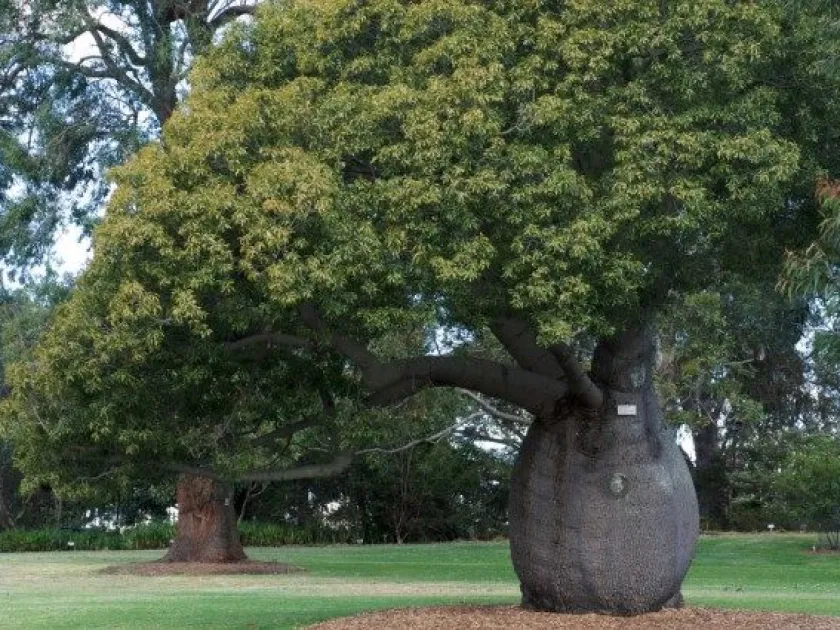
Description
Growing requirements
The Pink Flame Tree (Brachychiton roseus) is an ornamental plant belonging to the Malvaceae family. Native to the tropical regions of Australia, it is widely recognized for its stunning pink flowers that bloom in dense clusters.
The tree exhibits specific environmental needs, preferring regions with high light exposure and warm temperatures. It is well-adapted to subtropical conditions, showing a high level of drought tolerance once established.
Regarding soil requirements, the species thrives in well-drained, fertile soil. It is essential to avoid sites with waterlogged conditions, as the root system is highly susceptible to decay in the presence of excess moisture.
Agrotechnical practices include moderate irrigation and the application of balanced fertilizers during the growth phase. While it can withstand occasional dry spells, regular hydration promotes healthier foliage and more abundant blooms.
It is primarily used in landscaping for its visual impact, serving as an excellent focal point in parks, botanical gardens, and large private landscapes where climate allows for outdoor planting.
Main diseases and pests
The most common disease impacting this species is root rot, typically caused by fungi when the drainage system of the soil is inadequate. Proper site preparation is the primary defense against this issue.
Pest management should focus on aphids and scale insects, which may infest the tender shoots during periods of active growth. Early detection is crucial for managing these pests before they spread.
In humid or poorly ventilated environments, powdery mildew can occur, appearing as a white film on leaves. Fungicidal treatments and improved air circulation are standard recovery measures.
The tree may be vulnerable to wood-boring beetles if it is already in a state of stress or poor health, making consistent maintenance and sanitation essential for plant longevity.
Young plants are particularly sensitive to climate extremes, and monitoring for environmental stress is a core component of successful long-term cultivation of this species.