
Kurrajong
Brachychiton populneus (Schott & Endl.) R. Br.
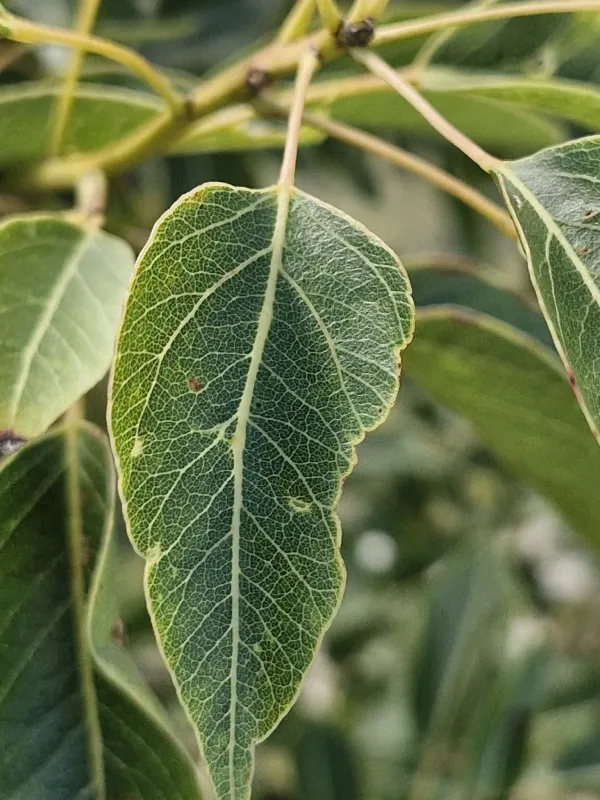
Description
Growing requirements
The Kurrajong (Brachychiton populneus) is a member of the Malvaceae family. Native to eastern Australia, this evergreen tree is renowned for its remarkable drought tolerance and adaptability to diverse climatic conditions, ranging from tropical to semi-arid.
The species features a distinct deep taproot and a thickened, succulent stem that acts as a water storage organ. Its leaves are variable in shape, resembling those of a poplar, which gives the plant its specific common name.
Cultivation requires full sun exposure and well-drained soil. While the tree can tolerate various soil textures, it performs best in deep, fertile substrates. Adequate drainage is critical to prevent root system suffocation in water-logged conditions.
Agrotechnical management includes controlled irrigation during the establishment phase and minimal supplementation thereafter. The tree is not frost-tolerant and requires protection when temperatures drop below freezing.
Economically, the tree serves multiple purposes: as a street tree for urban landscaping, a source of emergency fodder for livestock during drought, and as a raw material for fiber production from its robust bark.
Main diseases and pests
The primary concern in Brachychiton populneus maintenance is root rot, typically triggered by poor drainage or excessive watering. Ensuring optimal soil porosity is the most effective preventative measure against fungal pathogens.
Scale insects and spider mites are frequent pests in greenhouse or containerized settings. Integrated pest management, including the use of neem oil or systemic insecticides, is recommended for maintaining tree health.
Powdery mildew may occur in stagnant, humid environments. Pruning practices that improve air circulation within the canopy significantly reduce the risk of foliage disease transmission.
Bacterial canker can affect the bark, often entering through pruning wounds or environmental cracks. Proper sanitation of tools before every cut is essential to prevent the spread of infections between individual trees.
Regular visual inspections are necessary to identify early signs of stress, such as leaf discoloration or bark weeping, allowing for rapid intervention before the issue becomes systemic.