
Brachychiton garrawayae
Brachychiton garrawayae (F. M. Bailey) Guymer
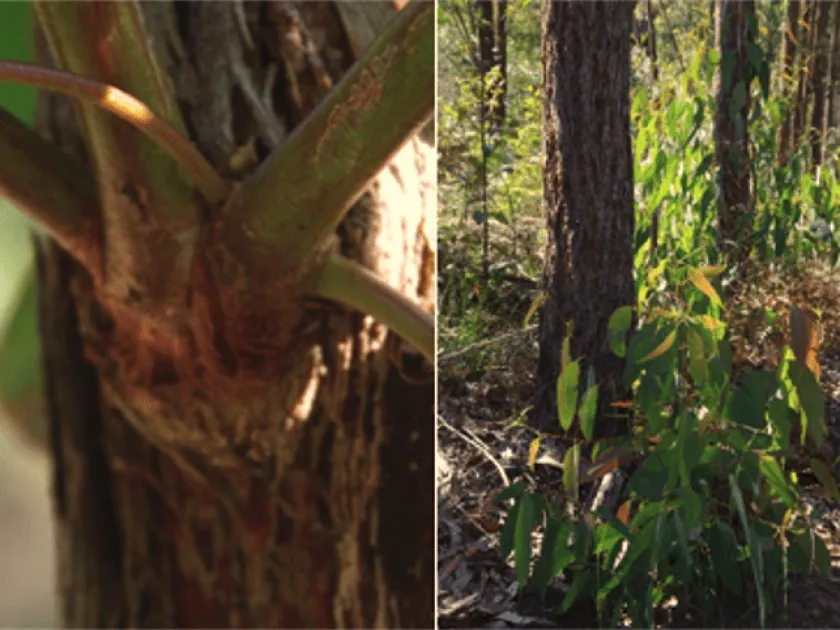
Description
Sowing dates
Propagation of Brachychiton garrawayae is primarily conducted through seeds, which require specific preparation including scarification to break dormancy.
The optimal sowing period is during early spring, as increasing light levels and rising temperatures are conducive to successful germination.
The substrate used for sowing must be well-draining, incorporating coarse sand and organic components to mimic the plant's natural arid habitat.
Temperature control during the germination phase is critical, with consistent heat between 22 and 25 degrees Celsius being necessary for optimal results.
Once seedlings achieve their second pair of true leaves, they should be carefully transplanted into individual pots to facilitate root development.
Growing requirements
Brachychiton garrawayae is a member of the Malvaceae family, notable for its robust structure and adaptations to drought-prone environments.
The plant thrives in locations receiving full sun, as high light intensity is essential for maintaining a compact shape and overall health.
Soil requirements focus on drainage; while the plant is adaptable to various soil types, waterlogged conditions must be strictly avoided at all costs.
In temperate zones, this species requires protection from frost, making it suitable mainly for greenhouse cultivation or as a seasonal container plant.
Watering practices should follow the principle of allowing the substrate to dry out between applications, preventing any risk of root rot development.
Main diseases and pests
Root rot is the most significant physiological threat to Brachychiton garrawayae, often stemming from poor drainage or excessive irrigation cycles.
Spider mites are common pests that frequent the plant, especially in controlled environments with low humidity, necessitating regular monitoring.
Scale insects can also colonize the stems, which can be managed through systematic inspections and the application of appropriate contact insecticides.
Maintaining proper air circulation is vital for minimizing the risk of fungal infections that can compromise the plant's structural integrity.
Integrated pest management, combined with sanitation of the growing environment, effectively mitigates the majority of health issues for this culture.