
Brachychiton bidwillii
Brachychiton bidwillii Hook.
Description
Growing requirements
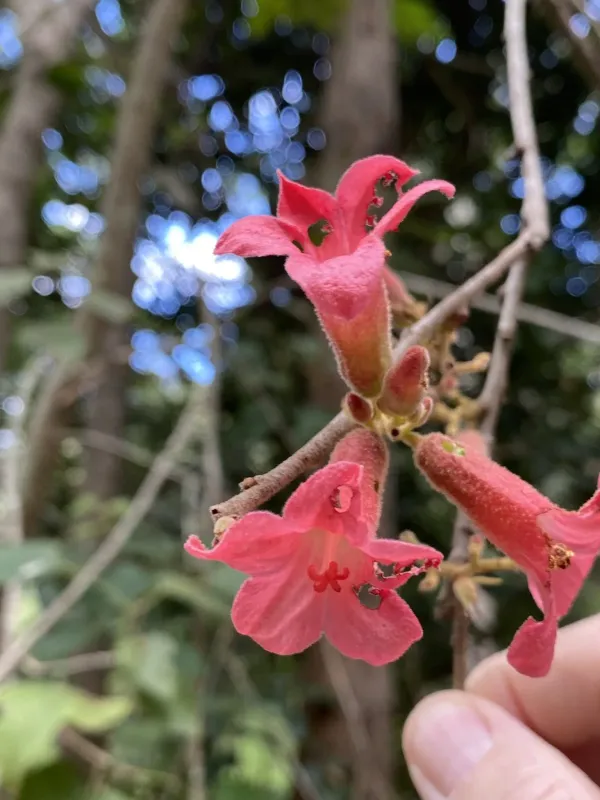
Brachychiton bidwillii, commonly known as the Little Kurrajong, belongs to the Malvaceae family. This species is native to the coastal ranges of Queensland, Australia, and is highly valued for its striking, bell-shaped pink to red flowers that appear on bare branches before the foliage emerges.
In terms of climate requirements, this plant thrives in subtropical conditions. It demands full sun exposure to flourish and initiate robust flowering cycles. While it can tolerate brief dry spells once established, it is not frost-tolerant and requires protection in cooler climates.
Soil management is critical for the success of this crop. The plant requires well-drained, sandy, or loamy soil types. It is essential to ensure that the rooting medium does not retain excessive moisture, as waterlogging is a primary factor in root system decline.
For cultivation in containers, a porous potting mix is recommended to ensure optimal oxygen exchange. Regular but controlled irrigation during the active growing season is necessary, whereas water intake should be significantly reduced during the winter dormant phase.
Economically, Brachychiton bidwillii serves as a specialized ornamental plant in warm-climate landscaping. Its unique aesthetic properties make it a popular choice for botanical gardens, xeriscaping projects, and as a focal point in private horticultural collections.
Main diseases and pests
Common pests include spider mites and mealybugs, which frequently infest plants kept in greenhouses or poorly ventilated environments. Effective control involves applying appropriate acaricides and ensuring adequate humidity levels around the foliage.
Root rot caused by Phytophthora species is the most severe threat to the long-term health of the plant. This is usually triggered by inadequate drainage or over-irrigation, requiring the use of fungicide treatments and improved soil management practices.
Scale insects can attach to the stems and branches, causing localized necrosis and sap loss. Physical removal combined with horticultural oil applications is an effective strategy for managing these infestations.
Fungal leaf spot may occur if the foliage remains wet for extended periods or if air circulation is insufficient. Ensuring proper spacing and airflow is essential for preventing the development of these infections.
Systematic monitoring is the foundation of plant health protection. Regularly inspecting the underside of leaves and stems allows for early detection of potential outbreaks, ensuring the tree remains vigorous and healthy throughout its lifespan.