
Bougainvillea praecox
Bougainvillea praecox
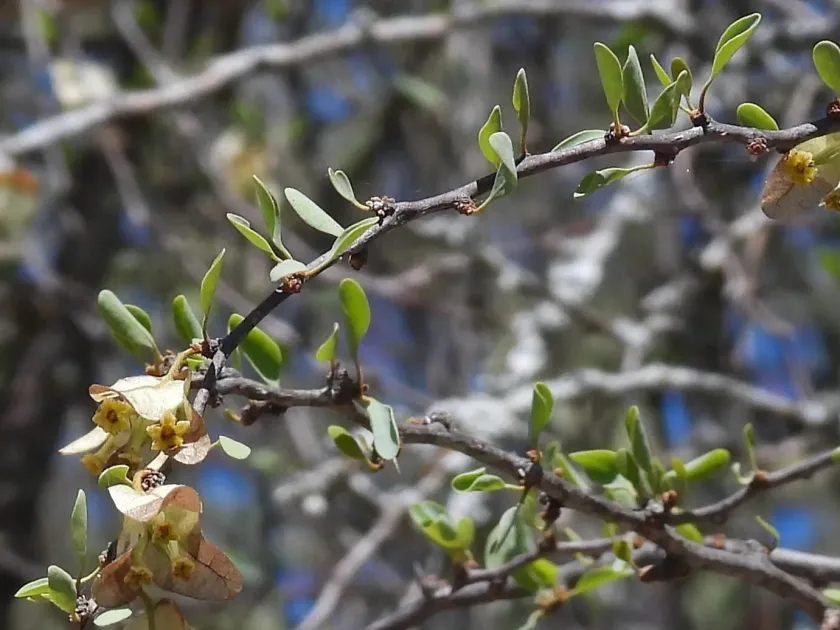
Description
Growing requirements
Bougainvillea praecox is a distinguished ornamental shrub member of the Nyctaginaceae family. This species is particularly noted for its early flowering cycle compared to other members of the genus, making it highly desirable in landscape architecture.
The plant originates from the tropical regions of South America. It is naturally adapted to arid environments where high intensity of sunlight and well-drained soils are prevalent. This evolutionary background dictates its specific cultural needs in agricultural and domestic settings.
Optimal growth requires full sun exposure, as insufficient light will result in poor floral development and elongated, leggy stems. In greenhouse or container cultivation, a minimum of 6 hours of direct solar radiation is necessary to maintain vigor and vibrant bract coloration.
Regarding soil conditions, the culture demands a porous, well-aerated medium. A mixture of loamy soil with coarse sand and organic compost is recommended to ensure rapid drainage. The pH level should remain slightly acidic to neutral to facilitate proper nutrient uptake.
In terms of agricultural utility, the plant is primarily used as an ornamental hedge or climbing vine for urban greening. It serves as a vital component in Xeriscaping, providing aesthetic value in dry climates while requiring minimal supplemental irrigation once established.
Main diseases and pests
The most common pests affecting Bougainvillea praecox are spider mites and mealybugs. These pests thrive in dry, stagnant air conditions and can cause significant leaf drop if infestations are not controlled promptly with insecticidal soaps or oils.
Root rot is a critical threat often caused by overwatering or poor soil drainage. Once the root system is compromised, it becomes difficult to revive the shrub; therefore, maintaining a strictly monitored irrigation schedule is vital for plant survival.
Leaf spot diseases, often fungal in origin, can appear during periods of high humidity. These infections manifest as irregular dark blotches and require the removal of affected foliage and the application of systemic fungicides to prevent further spread.
Nutrient deficiency, particularly chlorosis, is a common issue in alkaline soils where essential minerals become unavailable to the roots. Supplementing with chelated iron and balanced fertilizers can alleviate these symptoms and restore healthy growth.
Aphids occasionally target the soft, terminal shoots during the spring growth phase. While they are usually a minor issue, they can act as vectors for viruses, necessitating manual removal or localized treatment with natural neem-based insecticides.