
Bougainvillea hybrids
Bougainvillea hybrids
Description
Growing requirements
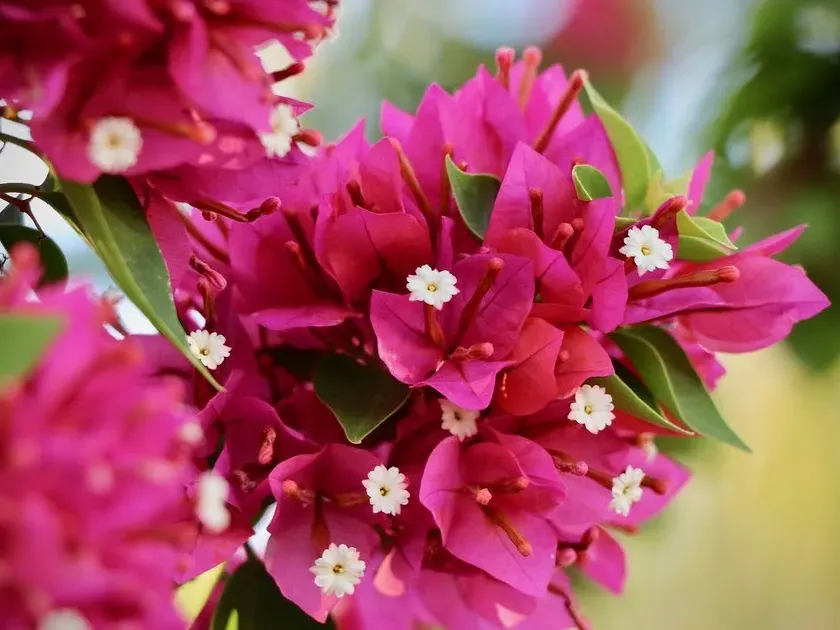
Bougainvillea hybrids are ornamental evergreen shrubs or vines belonging to the Nyctaginaceae family. Known for their vibrant, colorful bracts that surround tiny white flowers, they are widely cultivated in tropical and subtropical regions for decorative landscaping.
The plant originates from South America and thrives in warm, frost-free environments. In cooler climates, it is typically grown as a container plant that can be moved indoors during winter months to protect it from freezing temperatures.
For optimal health and flowering, bougainvillea requires full sun exposure. It needs at least six to eight hours of direct sunlight daily to produce high-quality bracts; partial shade results in weak stems and poor blooming performance.
Soil should be well-drained and slightly acidic to neutral. High-quality potting mixes with organic matter are ideal for container cultivation, ensuring that water does not sit near the roots, as this can trigger rot.
Maintenance techniques include regular pruning to control growth and shape the plant. Since blooms appear on new growth, pruning after each flowering cycle encourages denser branching and significantly more prolific subsequent blooming.
Main diseases and pests
Common pests affecting bougainvillea include aphids, mealybugs, and spider mites. These insects thrive in hot, dry conditions and can cause significant damage to the foliage and stunted growth if not managed promptly.
Fungal diseases like root rot or leaf spot are typically caused by overwatering or poor air circulation. Ensuring the plant is in a well-ventilated area with adequate drainage is the most effective preventative measure against these infections.
Effective management strategies involve the use of horticultural oils or insecticidal soaps to treat infestations. Monitoring the underside of leaves and new shoots periodically helps catch pest issues before they become severe.
In addition to pests, nutritional deficiencies such as iron chlorosis can occur if soil pH is incorrectly balanced. Providing a balanced, slow-release fertilizer can help maintain the plant's natural vigor and resistance.
Proper hygiene is essential; removing dead leaves and debris from the soil surface reduces the risk of pathogens. In greenhouse settings, maintaining a consistent balance between humidity and temperature is crucial for long-term health.