
Bougainvillea buttiana
Bougainvillea buttiana
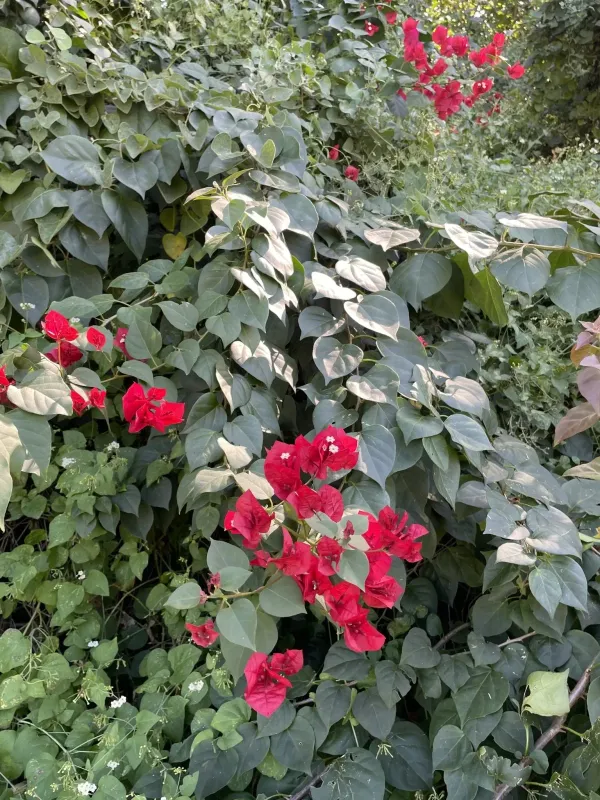
Description
Growing requirements
Bougainvillea buttiana is a perennial ornamental plant belonging to the Nyctaginaceae family. This species is a natural hybrid originating from South American, specifically recognized for its robust growth habit and vibrant floral displays.
Botanically, it is a woody, climbing shrub that can grow quite large under favorable conditions. While the true flowers are small and white, the surrounding colorful bracts make this plant a highly popular choice for landscaping in tropical and subtropical regions.
The crop requires full sun exposure to thrive and produce the most intense bract coloration. In regions with cooler climates, it is often grown in containers and moved indoors during the winter months to avoid frost damage.
The soil should be well-drained and slightly acidic to neutral. High organic matter content is beneficial, but the primary concern for agronomists is preventing waterlogging, which often leads to root death.
Proper pruning is essential for maintaining the shape and vigor of the plant. Cutting back shoots after the flowering cycle encourages new growth and ensures better flower production for the next season.
Main diseases and pests
Aphids are common pests that infest the tender new growth of Bougainvillea buttiana. They suck plant sap and cause stunted development, requiring prompt intervention with systemic insecticides.
Spider mites are prevalent in hot, dry environments, causing leaf stippling and webbing. Regular misting and maintaining appropriate humidity levels are effective preventive measures.
Mealybugs can be found in leaf axils, leaving a white, cottony substance. Their management involves physical removal or the application of horticultural oils during the early stages of infestation.
Root rot is a critical threat typically caused by Phytophthora or Pythium species when soil drainage is insufficient. It is characterized by wilting, leaf yellowing, and eventual plant collapse.
Maintaining a clean growing environment and avoiding overhead irrigation can significantly reduce the incidence of fungal and bacterial infections that commonly affect this plant species.