
Borreria
Borreria
Borreria is a significant genus within the Rubiaceae family, comprising various species that typically exhibit herbaceous or sub-shrub growth habits. These plants are primarily native to tropical and subtropical regions across the globe.
What the section contains


Borreria
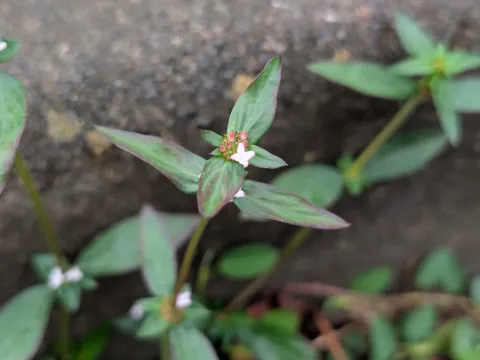
Botanically, Borreria is recognized by its decussate leaves and clusters of small, often white or pale-colored flowers. The structure of these plants allows them to thrive in diverse environments, ranging from grasslands to disturbed agricultural lands.
Climatic requirements for Borreria are centered on warmth and consistent humidity. The plant requires a frost-free environment to maintain its growth cycles and is highly sensitive to temperatures dropping below the physiological threshold.
Regarding soil preferences, Borreria flourishes in well-drained, sandy to loamy soil types. While it possesses a degree of tolerance for poor nutrient conditions, the plant shows increased vigor in soils with balanced organic matter.
From an agricultural standpoint, the management of this plant is crucial. While it holds potential in ethnomedicine due to secondary metabolites, its rapid colonization ability often categorizes it as a weed that requires active management in commercial crops.
Diseases affecting Borreria are frequently linked to environmental stressors. Fungal infections, particularly root rot and various leaf spot pathogens, tend to thrive during periods of excessive rainfall or poor irrigation management.
Pest populations that target Borreria include a variety of sap-sucking insects and leaf miners. These pests can significantly reduce photosynthetic capacity by damaging the leaf tissue, leading to stunted plant growth.
Effective control measures include the use of selective herbicides and integrated pest management (IPM) practices. Maintaining proper field sanitation is vital to preventing the spread of this plant into adjacent arable fields.
Deep plowing techniques help in reducing the soil seed bank of Borreria. By burying the seeds at depths where germination is inhibited, farmers can significantly manage the density of the species in their fields.
Continuous monitoring during the early stages of growth is recommended to ensure that chemical or mechanical interventions are applied at the most vulnerable stage of the plant's life cycle.