
Borreria asperula
Borreria asperula
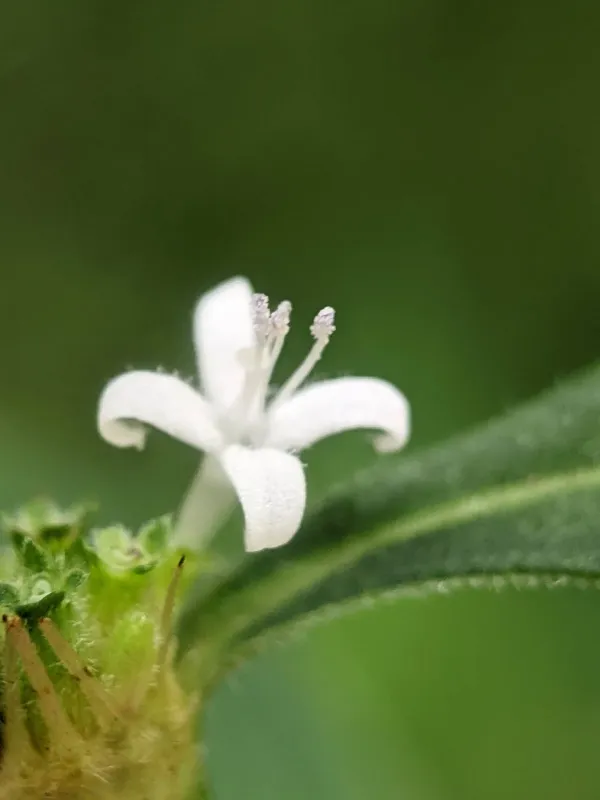
Description
Growing requirements
Borreria asperula is a herbaceous plant species that belongs to the Rubiaceae family. Native to tropical regions, this plant is well-adapted to specific climatic conditions, playing a significant role in its local ecosystems.
The botanical structure of the plant is defined by its distinctively rough foliage and a highly adaptive root system. These characteristics allow the species to thrive in various soil types, ranging from well-drained sandy soils to more structured loamy substrates.
Effective cultivation of Borreria asperula requires high solar radiation levels, which are critical for its photosynthetic efficiency. The plant is drought-tolerant to some degree, but optimal growth is observed when moisture levels remain consistent during the main growing season.
From an agricultural standpoint, this species is investigated for its potential utility as a fodder crop. Its resilience to frequent biomass harvesting makes it a candidate for sustainable grassland management in tropical territories.
The agrotechnology for this species focuses on density management. Because it has a naturally competitive habit, proper spacing ensures that the plants reach their full vegetative potential without unnecessary competition for soil nutrients.
Main diseases and pests
The primary threats to Borreria asperula include fungal infections such as leaf spot and mildew, which often occur in high-humidity environments. Maintaining proper ventilation within the stand is a recommended cultural practice to mitigate these risks.
Pest pressures are usually driven by local insect populations that target the succulent vegetative parts. Early detection and the application of integrated management practices are essential to prevent significant damage to the plant population.