
Borreria distans
Borreria distans
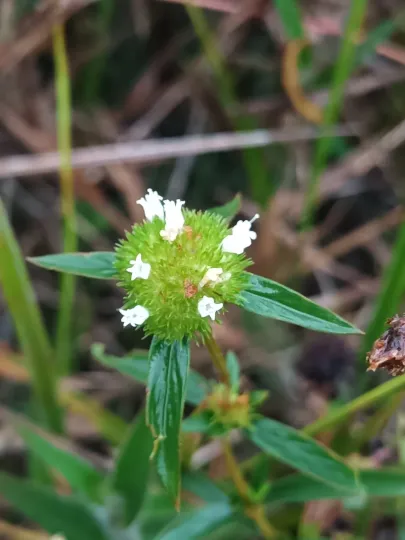
Description
Growing requirements
Borreria distans belongs to the Rubiaceae family, a diverse group of plants primarily distributed throughout the tropical and subtropical regions of the world. It is a herbaceous plant that possesses specific physiological traits adapted to warm, moist environments.
Regarding soil requirements, the plant thrives in well-draining substrates rich in organic matter. Soil pH levels should be maintained within a slightly acidic to neutral range to ensure optimal nutrient uptake, particularly for essential micronutrients required for leaf development.
The climate requirements emphasize the necessity of high ambient temperatures and consistent moisture levels. Exposure to frost or prolonged cool temperatures significantly impairs the physiological functions of the plant, often leading to stunted growth or total necrosis of the vegetation.
Agrotechnical management involves meticulous weed control and strategic fertilization. Using balanced NPK fertilizers at critical growth stages helps in maximizing biomass production, which is essential if the plant is being evaluated for specific industrial or ecological purposes.
The plant exhibits distinct morphological features, such as simple, opposite leaves and dense inflorescences. Proper plant spacing is crucial to prevent the spread of soil-borne pathogens and to ensure that all individual plants receive adequate light intensity for optimal development.