
Blitum petiolare
Blitum petiolare
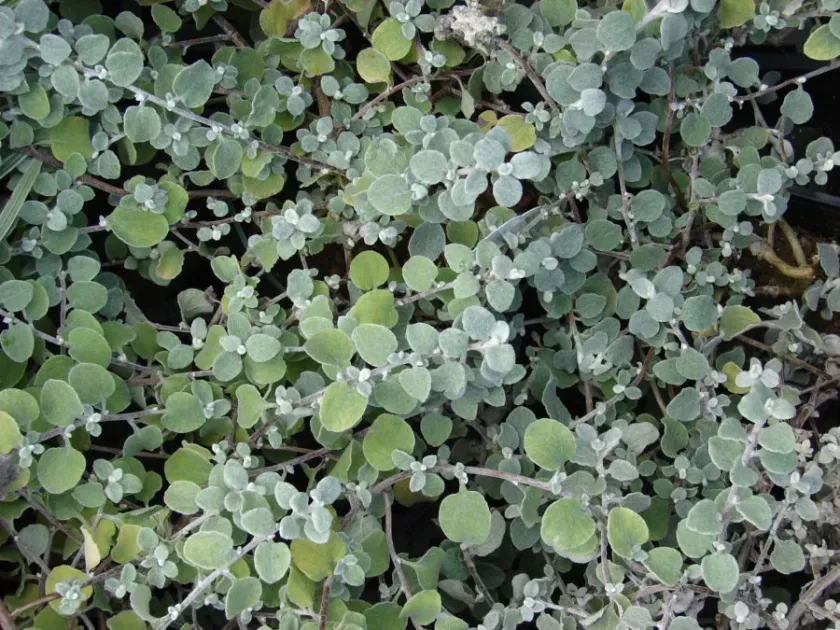
Description
Sowing dates
Sowing of Blitum petiolare is performed in early spring once soil temperatures reach 8–10 degrees Celsius. The species requires well-prepared, friable soil for successful germination and early establishment.
The optimal seeding depth is between 1 and 2 centimeters. Because the seeds are quite small, precision sowing is recommended to ensure uniform plant spacing and to prevent the seedlings from being buried too deep.
Row spacing should be maintained between 15 to 25 centimeters for optimal biomass production. This density suppresses weed growth naturally as the plant canopy closes over the soil surface.
Germination typically takes 10 to 14 days under favorable moisture conditions. It is essential to ensure that the seedbed remains moist during this period, as dry soil can severely inhibit the initial growth stages.
Early sowing allows the crop to establish a deep root system, which significantly improves its resilience against the heat and occasional water stress that may occur in later summer months.
Growing requirements
As a member of the Amaranthaceae family, Blitum petiolare requires full sunlight for maximum physiological efficiency. Shaded environments will lead to thin, spindly growth and reduced nutrient content.
The crop thrives in fertile, well-draining soils with a neutral pH. While it is adaptable to different soil types, heavy clay soils must be amended with organic matter to prevent waterlogging and compaction.
Consistent moisture is key during the rapid vegetative growth phase. Although it shows some tolerance to temporary dry spells, irrigation during critical developmental windows ensures the highest yields.
Fertilization should prioritize nitrogen during the initial growth stages, shifting to a more balanced nutrient profile later to support structural integrity and leaf development.
Regular mechanical cultivation between the rows is necessary during the early stages of development to aerate the soil and control invasive weeds that compete for nutrients.
Yield
The yield of Blitum petiolare is highly dependent on nitrogen availability and moisture levels during the peak growing season. Under managed conditions, the crop produces significant biomass.
Nutritional analysis indicates that the green mass is rich in minerals, making it a valuable candidate for forage mixes. The highest quality is achieved if the crop is harvested before the flowering stage.
The potential for multiple cuts exists if the crop is managed correctly, with fertilization applied after each harvest to support regrowth. This maximizes the return on the initial soil preparation investment.
Seed yield varies based on climatic conditions during the reproductive phase. Consistent, warm, and dry weather during seed ripening is essential to ensure high quality and storability.
Modern agrotechnological practices, including the use of precision fertilizers and integrated pest management, can increase overall yield performance by up to 25 percent compared to extensive cultivation.
Main diseases and pests
Fungal diseases, specifically powdery mildew, are the primary threat to the crop, especially in humid and poorly ventilated fields. Good air circulation is the best preventive measure.
Aphids and various leaf-chewing insects can damage the young foliage. Regular scouting and early intervention using organic or chemical pesticides are necessary to prevent population outbreaks.
Root rot, driven by stagnant water, is a common issue in poorly drained fields. Ensuring correct soil drainage is vital to maintain a healthy root system throughout the plant's life cycle.
Weeds pose a significant threat during the first few weeks, as growth is relatively slow. Employing mulching or timely inter-row cultivation is essential to keep the crop competitive.
Crop rotation should be strictly observed, avoiding the cultivation of Amaranthaceae family members on the same plot for at least three consecutive years to reduce soil-borne pathogen pressure.
Harvesting
Harvesting for forage should occur just before the onset of flowering. At this stage, the plant tissue is most tender and contains the optimal concentration of proteins and minerals.
Mechanical harvesting requires sharp equipment to ensure clean cuts, which promotes faster recovery and reduces the risk of secondary infections at the wound sites on the stalks.
Post-harvest handling is critical due to the high moisture content of the leaves. Rapid transport to processing or drying facilities prevents spoilage and preserves the nutritional profile.
For seed production, harvesting should be performed when the seed heads are fully mature and dry to the touch. It is best to avoid harvesting during early morning dew to prevent mold growth.
Storage of the processed harvest requires dry, cool, and well-ventilated conditions to maintain long-term seed viability and prevent the degradation of stored forage quality.