
Baphia racemosa
Baphia racemosa
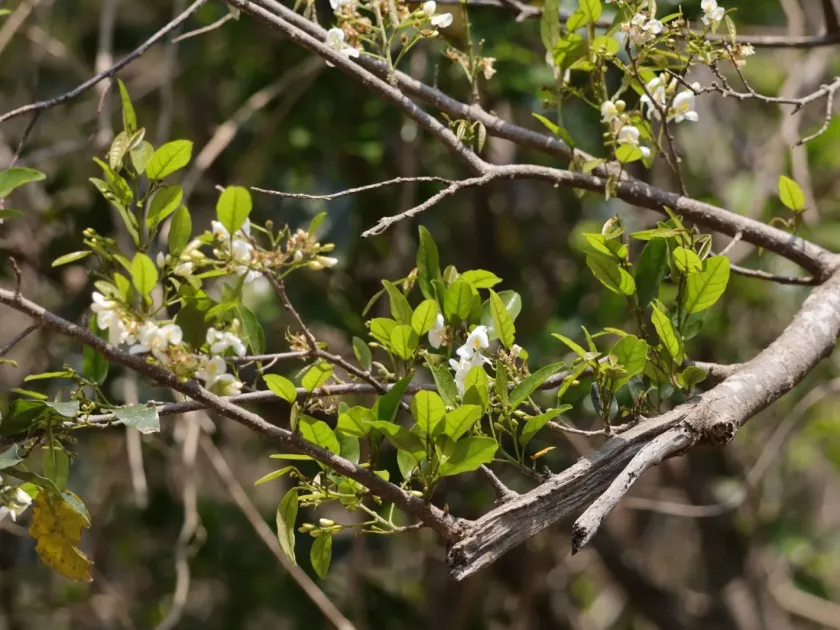
Description
Growing requirements
Baphia racemosa, commonly known as the Natal camwood, is a species of tree or shrub belonging to the Fabaceae family. Native to the coastal regions of Southern Africa, it is widely recognized for its adaptability to various subtropical environments and its striking floral displays.
The plant thrives in warm, frost-free climates. It requires a significant amount of warmth to produce its signature racemes of fragrant white flowers, making it a popular ornamental choice in regions with mild winters or within controlled environment agriculture.
Regarding soil requirements, the species performs best in deep, fertile, and well-drained soils. While it can tolerate a range of soil types, it is particularly sensitive to waterlogging, which necessitates careful site preparation and drainage management.
Cultural practices include consistent watering during the growing season and protection from harsh winds that can damage the delicate branches. It is generally undemanding but benefits greatly from periodic organic fertilization to support its rapid growth habit.
Economically, Baphia racemosa is valued for its high-quality, dense wood, which is durable and historically used for various crafts. Its ability to fix atmospheric nitrogen also contributes to soil health, making it a beneficial plant in sustainable forestry practices.
Main diseases and pests
Baphia racemosa is generally robust, yet it can be susceptible to common greenhouse and garden pests. Spider mites are the most notable threat, especially in hot and dry conditions where they can quickly proliferate on the foliage.
Fungal issues such as powdery mildew may develop if the plants are kept in environments with poor air circulation. Improving airflow and maintaining proper spacing between specimens is essential for disease prevention.
Root rot is a significant risk associated with poor irrigation management. Constant wetness around the root zone encourages pathogens that can weaken or even kill the plant, making proper drainage the primary defense mechanism.
Integrated pest management strategies are recommended, emphasizing biological controls such as neem oil or predatory mites to keep pest populations at bay without disrupting the local ecosystem.
Regular monitoring of the plant canopy is advised to identify early symptoms of infestation or nutritional deficiencies. By addressing these factors proactively, growers can maintain the health and vigor of Baphia racemosa throughout its lifecycle.