
Baphia massaiensis
Baphia massaiensis
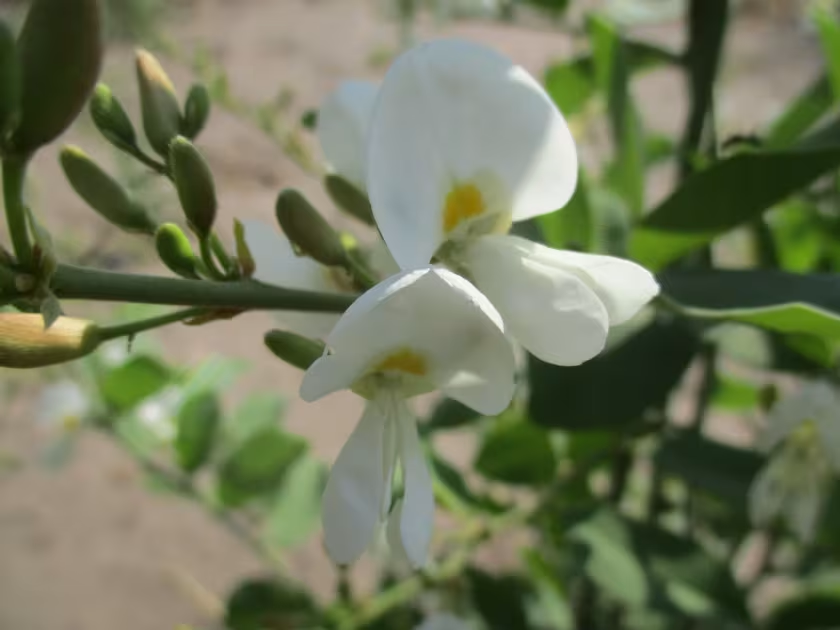
Description
Growing requirements
Baphia massaiensis is a perennial shrub belonging to the Fabaceae family, native to the tropical landscapes of East and Southern Africa. It is highly valued in its natural environment for its ability to thrive in arid and semi-arid conditions where other woody species struggle to survive.
The plant requires well-drained, sandy-loam soils to prevent root rot, which is the most common cause of failure in cultivation. It thrives in open, sun-exposed areas, demonstrating significant drought tolerance once the root system is well established.
Morphologically, it is characterized by its resilient stems and compound leaves, which are typical of many African leguminous plants. It serves as an essential component in agroforestry, providing cover and helping to prevent soil erosion in degraded landscapes.
Economically, this species is utilized for its wood, which contains specific chemical compounds used in traditional dye production. Furthermore, its flowers attract various pollinators, contributing to the overall biodiversity of the local ecosystem.
Cultivation practices involve selecting high-quality seeds and providing adequate space for root expansion during the early stages. While it is a low-maintenance plant, occasional organic fertilization can improve its overall growth rate and density.
Main diseases and pests
Fungal leaf spot diseases represent the primary threat during the transition from the dry to the wet season. Improving air circulation around the plants through correct spacing is the most effective preventative measure against these infections.
Pests such as stem-borers can weaken the structural integrity of the plant, especially in younger specimens. Regular inspections of the bark are necessary to detect early signs of infestation and prevent extensive damage.
Herbivory by local wildlife can significantly hinder the development of young shrubs. Implementing physical barriers or protective fencing is highly recommended in regions where livestock or wild herbivores are prevalent.
Climate instability, characterized by unpredictable rainfall patterns, may impact the nutrient uptake of the shrub. Maintaining soil health through mulching helps to regulate soil temperature and moisture levels consistently.
The accumulation of dead organic matter around the base of the plant can harbor harmful microorganisms, necessitating regular sanitation of the area around each shrub to maintain optimal plant health.